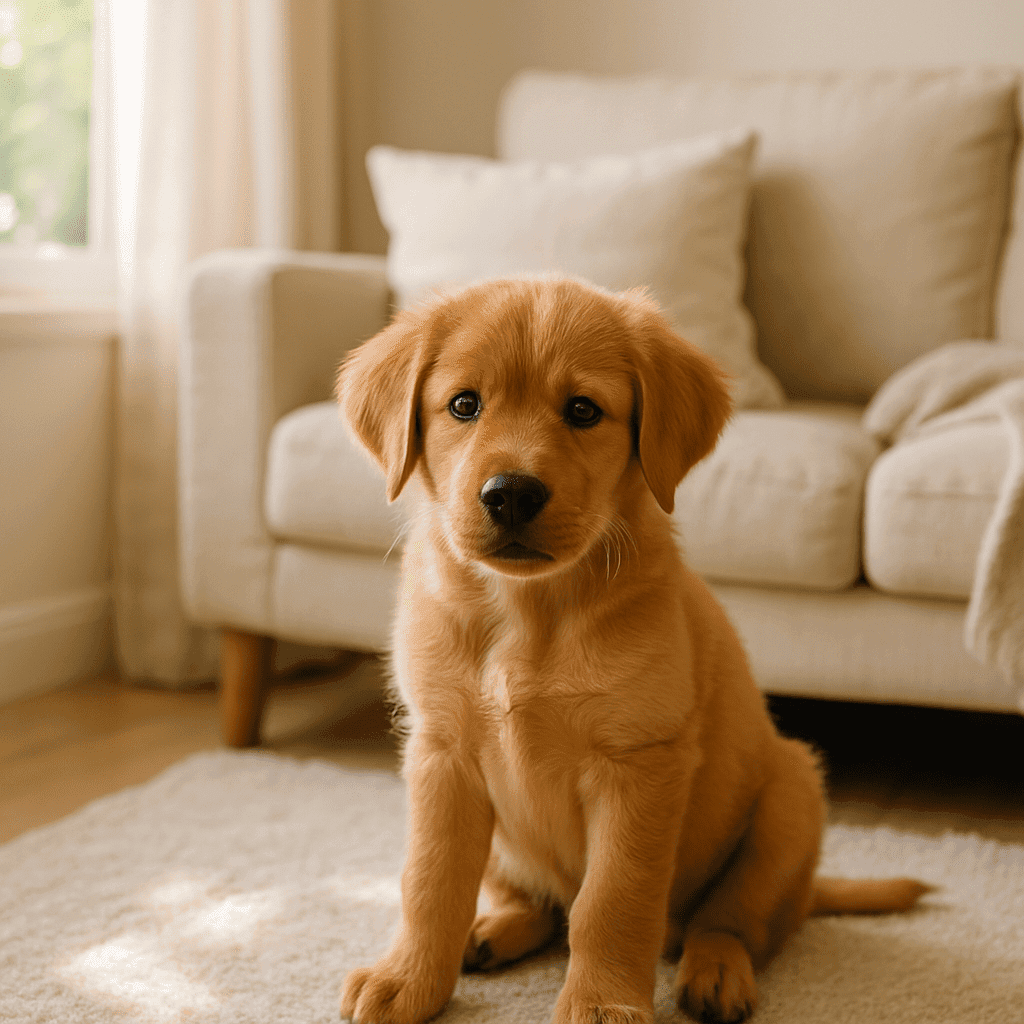
Refusing Food But Will Eat Treats: What To Do First, What To Avoid, And When To Worry
Fast Answer: Why Is My Puppy Refusing Food But Will Eat Treats?
When a puppy walks away from kibble but eagerly eats a treat, the cause is usually behavioral. Treats are high-value — novel, aromatic, and paired with positive attention. Regular kibble is just everyday fare. If your healthy puppy skips a meal but eats treats, they've learned to hold out for something better.
- Treat overfeeding: Training rewards and toys can cause puppies to lose hunger at meal times.
- Contrast effect: If refusing kibble leads to high-value extras like cheese or chicken, they learn to wait it out.
- Mild teething discomfort: Sore gums might make kibble less appealing.
- Environmental distractions: Changes or high-traffic feeding spots can temporarily suppress appetite.
First action: Pause all treats now. Only offer fresh water for the next 12 hours before the next meal attempt. Don't assume sickness if they refuse kibble. If they won't accept their favorite treat, perform the health check in the next section.
Safety by size: Small breeds and puppies under 10 lbs should only fast for 12 hours due to hypoglycemia risk. Larger puppies can often wait up to 24 hours with water, but if refusing persists, call the vet.
What To Do First: A 2-Minute Health Check
Before changing feeding habits, do a quick health check to rule out medical issues versus pickiness. This saves time and potential emergency visits.
- Gum color and hydration: Gums should be pink and moist. Pinch a gum to see it blanch and return to pink quickly. Sluggish color return or pale gums are concerning.
- Energy and posture: Is your puppy active and responsive? Lethargy or unresponsiveness signals a problem.
- Vomiting or diarrhea: Recall recent episodes. Vomiting or diarrhea with food refusal needs attention.
- Abdominal comfort: A bloated, tender belly is a red flag.
- Breathing: Listen for labored breathing, a sign of distress.
Decision point: Any abnormal checks or refusal of high-value treats means calling your vet. If checks are normal, move to feeding reset.
Step-by-Step Plan to Get Your Puppy Eating Again
After ruling out medical issues, reset feeding habits to break the treat cycle.
Day 1: Complete Treat Pause
- No treats or snacks. Offer regular kibble at mealtime in a low-distraction spot. Remove the bowl after 15 minutes if uneaten.
Day 2: Aroma and Texture Tweaks
- If no eating, add a tablespoon of warm water to kibble. No pleading or topping with cheese.
Day 3: Gentle Toppers
- Stir in a teaspoon of plain pumpkin or slightly crushed kibble to break the stalemate.
Watch patterns: Does your puppy eat in quieter conditions? Use this information moving forward.
Reintroducing treats: After two normal meals, use treats in short training sessions after meals, not before.
Sample schedule:
- 7:00 a.m.: Meal, remove after 15 minutes.
- 12:00 p.m.: Lunch, same routine.
- 5:00 p.m.: Dinner, same routine.
Normal vs. Not Normal: Picky Eating or Medical Problem?
| Sign | Normal | Concerning |
|---|---|---|
| Energy | Active | Lethargic, hiding |
| Treat Interest | Eats treats | Refuses treats |
| Water Intake | Normal | Not drinking |
| Digestive Symptoms | Regular stools | Vomiting/diarrhea |
| Abdominal Comfort | Soft belly | Swollen, painful |
| Gum Color | Pink | Pale or sticky |
Teething can cause temporary food preference changes but not systemic distress. Trust your instincts — if unsure, call your vet.
Common Mistakes to Avoid
- Becoming a short-order cook: Avoid coaxing with cheese or broth.
- Buffet feeding: Remove uneaten kibble after 15 minutes.
- Giving treats after refusal: Reinforces pickiness.
- Rapid food switches: Disrupts digestion.
- Blaming puppy's personality: Maintain consistent feeding boundaries.
Troubleshooting: If Your Puppy Still Won’t Eat
- Bowl and Location: Experiment with plates or snuffle mats. Change feeding locations.
- Check for secret treats: Ensure consistent application of the plan by all family members.
- 24-hour Water Reset: Only for vets' approved cases in puppies over 12 weeks.
- Food Refusal Log: Track refusal patterns to identify underlying issues.
When to Worry: Decision Guide
- Immediate Vet: All food refusal mixed with vomiting, diarrhea, or breathing issues.
- Same-Day Vet: Small breed refusal over 12 hours; larger breeds over 24 hours.
- Scheduled Check: Prolonged on-off refusal.
Use this decision guide when calling the vet for clear, immediate assistance.
Create a daily log recording meal times, amounts eaten, water intake, and treats. Use our downloadable Puppy Feeding Survival Guide for easy tracking.