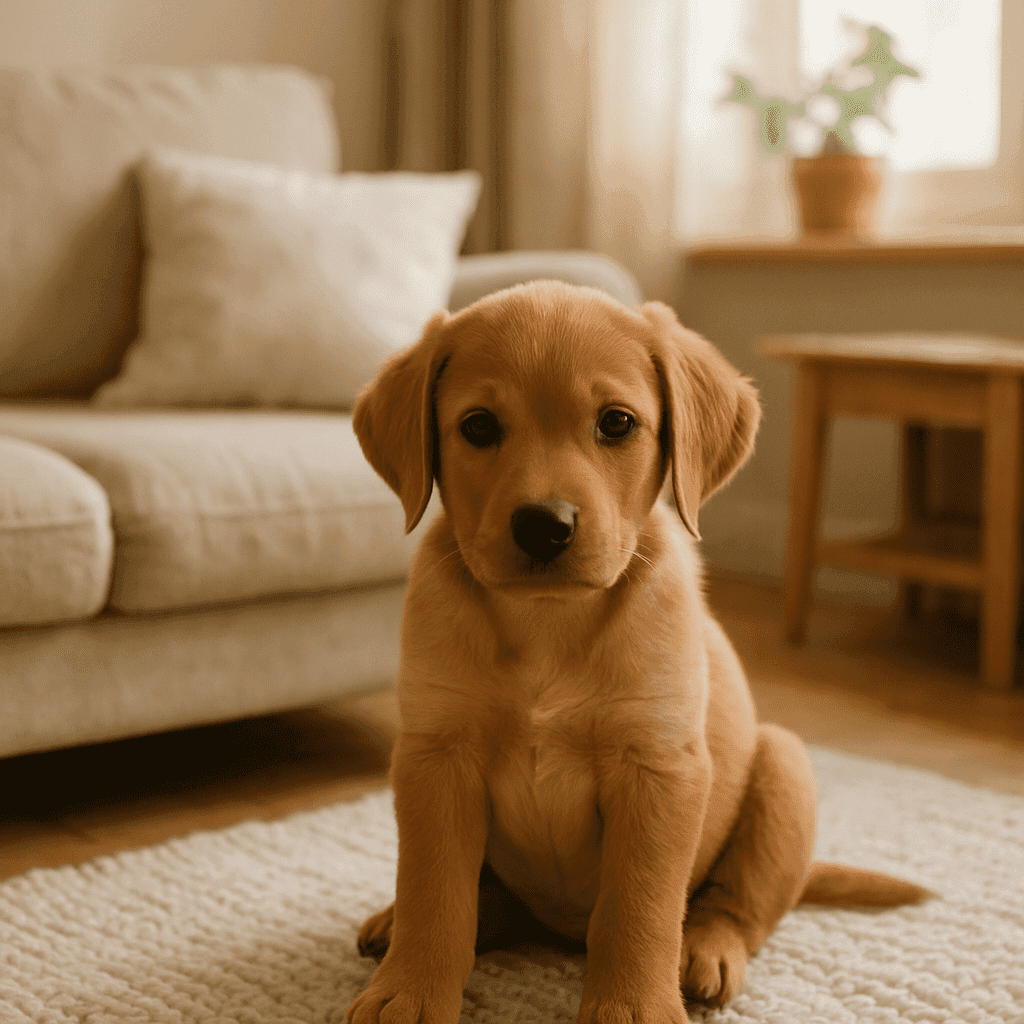
Puppy Growling Over Food: Safe Steps To Stop Resource Guarding Early
Immediate Safety Steps: What to Do Right Now If Your Puppy Growls Over Food
When a puppy growls over food, every predictable human reaction – yanking the bowl, scolding, freezing in panic – can make the guarding worse. The first priority is to interrupt the situation without turning yourself into a threat.
Fast Answer
If your puppy growls over food, stay calm and still. Don’t grab the bowl. Instead, toss high-value treats a few feet away, allowing your puppy to move to the treats and letting you step back safely.
Step-by-step emergency script:
- Freeze. Don’t jerk backward, don’t scream, and don’t lunge toward the bowl. Sudden movements can trigger a snap.
- Do not grab the bowl or try to push the puppy away. That confirms the puppy’s fear that you’re going to steal his resource.
- If you can safely reach a treat stash (a jar left near the feeding area is ideal), take a small handful of high-value food – think warm boiled chicken, freeze-dried beef liver, or string cheese pieces – and toss them lightly so they scatter 2-3 feet away from the bowl. The puppy will likely move to investigate the better food.
- While your puppy is eating the scattered treats, quietly step back and leave the area if you’re feeling shaken.
- After your puppy finishes the meal and voluntarily walks away from the empty bowl, you can calmly pick up the bowl. Do not take the bowl while he’s still eating or standing over it.
Real-life scenario: You walk past the feeding corner, your 12-week-old retriever stiffens and lets out a low growl. You stop, say nothing, reach for the treat jar you keep on the counter, and toss a few pieces of boiled chicken gently to the side. The puppy’s body relaxes slightly, he eats the chicken, and you step away. Crisis averted – and you didn’t punish the only warning signal a dog has.
What to avoid in the heat of the moment:
- Yelling or saying “no” loudly – fear does not teach safety.
- Physically pushing the puppy away or grabbing his scruff.
- Testing the puppy by putting your hand in the bowl. This is a recipe for a bite.
- Punishing the growl – without a growl, a dog may skip straight to biting next time.
If the puppy has already lunged or snapped with contact, do not attempt any hands-on intervention. Create distance immediately (step out of the room), let the puppy finish eating, and then move directly to the “Normal vs. Concerning” section for a clear red-flag checklist.
Step-by-Step Plan: How to Stop Resource Guarding with a Trade-Up Protocol
Resource guarding doesn’t get better by showing the puppy “who’s boss.” It improves when your puppy learns that people approaching the food bowl predict something even better. This is called a trade-up protocol, and it’s the foundation of force-free resource guarding treatment.
How the Trade-Up Protocol Works
The core idea is simple: you never take anything away without trading for a higher-value item, and you never take the bowl while the puppy is actively guarding. Over time, the puppy’s emotional response changes from “Uh-oh, here comes a threat” to “Yes! A person near my bowl means extra delicious food.”
Before You Start
- Choose the quietest corner of your home for feeding. A closed crate, a gated laundry room, or a spot where kids and other pets won’t wander by suddenly.
- Prepare two kinds of food: the puppy’s regular kibble, and a “jackpot” treat that’s much more exciting – boiled chicken, low-sodium cheese, freeze-dried organ meat, or meat baby food that’s onion- and garlic-free. The treat must be visibly better than the meal.
- Always carry a pocketful or a small jar of these treats anytime you’ll be near the feeding area.
Phase 1: Build a Positive Baseline (Days 1-3)
Hand-feed a small portion of your puppy’s kibble from your open palm, away from the bowl, while sitting calmly indoors. No bowl present – you are the delivery system. This step rebuilds a safe connection between food and your hands. Do this once a day with about a quarter of a meal. Keep your voice calm and your body relaxed.
Phase 2: The “Magic Drop” (Days 3-7)
Now feed the puppy his normal meal in the bowl. While he’s eating, walk past at a distance where he doesn’t tense up – start 5-6 feet away. As you walk by, toss a high-value treat into the bowl area without stopping, without staring, and without saying anything. Do this once per meal. If the puppy stiffens, increase the distance next time. Gradually reduce the distance over several days until you can drop the treat from 1-2 feet away while the puppy stays soft and wiggly. Let this become a predictable “good thing that happens when people walk by.”
Phase 3: The Trade-Up – From Empty Bowl to Full Bowl (Days 7-14+)
Start with an empty bowl. Walk up with a mild, cheerful cue like “I have something better!” and show the puppy a jackpot treat. Toss it a few feet away, then calmly pick up the empty bowl while he’s enjoying the treat. Put the bowl down again – now with a few pieces of food. Repeat. Over sessions, add more food to the bowl and practice the trade when the puppy is only mildly engaged. The moment the puppy accepts your approach without stiffening, you’re winning.
Progression rule: Only make it harder when the puppy’s body language stays soft at the current level. If you see a freeze, a whale eye (the whites showing), or a low growl, you’ve moved too fast. Go back one step and use higher-value treats.
Common Missteps During Training
- Rushing the phases – a bored owner can turn a trust-building exercise into a trust-breaker.
- Leaning over the puppy – approach from the side with a slightly lowered posture.
- Using plain kibble as the “jackpot” – it must be a noticeable upgrade.
- Removing the bowl while the puppy is still actively guarding.
If the puppy ever snaps during the protocol, pause all direct bowl approach training and restart with hand-feeding for a few days. Then return to Phase 2 with much greater distance.
Normal vs. Concerning: When It’s Just Puppy Behavior and When to Call a Professional
Not every growl around the food bowl spells doom. But some behaviors mean it’s time to stop DIY training and get professional, fear-free help. Use this guide to separate manageable situations from red flags.
| Normal (Keep working the protocol) | Concerning (Hit pause and consult a pro) |
|---|---|
| Low, brief growl when you walk by; puppy continues eating normally afterward. | Deep, prolonged growling that intensifies when you’re still several feet away. |
| Puppy freezes for a second but resumes eating when you drop a treat nearby. | Puppy lunges, snaps, or chases – even without making contact. |
| Puppy eats a little faster when you approach but doesn’t show teeth or stiffen rigidly. | Puppy bares teeth or shows whale eye while guarding the bowl. |
| Guarding is limited to the food bowl. | Guarding spreads to multiple items or family members. |
Red-flag checklist: Stop all DIY training and contact a board-certified veterinary behaviorist or a certified force-free professional right away if:
- A bite breaks skin.
- The puppy guards resources from children or visitors.
- The guarding escalates despite training.
- The puppy refuses to eat at all.
Never feel guilty about calling for help. Severe guarding that goes unaddressed can lead to a bite history that’s hard to undo.
Common Mistakes That Make Food Guarding Worse (And How to Avoid Them)
First-time puppy owners often receive well-meaning but disastrous advice from family, social media, or outdated trainers. Here are the most common mistakes – and what to do instead.
Mistake 1: Snatching the bowl away to “show who’s in charge.”
Why it backfires: Confirming the puppy’s fear that people near the bowl mean he’ll lose food. Instead, use the emergency treat scatter from the Immediate Safety section.
Mistake 2: Yelling or poking the puppy.
Even a stern “no” can be perceived as a threat. Replace every urge to correct with the “magic drop” approach.
Mistake 3: Letting children or other pets wander near the bowl during meals.
Set up a dedicated feeding station and make it a rule that nobody disturbs the puppy while he eats.
Mistake 4: Using low-value treats during trade-ups.
Use something your puppy would do a happy dance for: real chicken or high-quality freeze-dried liver.
Mistake 5: Thinking the puppy is “dominant” or “stubborn.”
Resource guarding is fear-based.
If you’ve already made any of these mistakes, that’s okay – most people have. The trade-up protocol is about rebuilding trust.
Troubleshooting: What to Do If the Growling Doesn’t Stop or Gets Worse
When you follow the plan but the puppy’s behavior doesn’t improve, it’s easy to feel hopeless. Run through this troubleshooting checklist before you assume the worst.
- Is the treat truly high-value? Switch to warm boiled chicken or meat baby food smeared on a spoon.
- Are you working at the right distance? If your puppy stiffens when you’re 5 feet away, start at 8 feet. A tension signal means you’re too close.
- Is the feeding area calm enough? Feed in a room with a door you can close or place the bowl inside a crate.
- Could there be a physical cause? Schedule a vet exam if the guarding started suddenly.
- Is the guarding spreading to other objects? This may indicate deeper anxiety requiring professional expertise.
When to stop DIY entirely – a simple decision tree:
- Mild growl, no snap: Adjust treat value or distance and continue.
- Single snap, no contact: Go back to hand-feeding, then restart.
- Snap with contact: Stop all training. Seek professional help.
Guilt stops many owners from seeking help. Don’t let it.
Your Printable Checklist: Daily Resource Guarding Prevention Routine
Daily Resource Guarding Prevention Checklist
- Feed in the same quiet, low-traffic spot.
- Keep high-value treats within arm’s reach.
- During one meal, drop one high-value treat into the bowl area, then walk away.
- Practice one trade-up with an empty bowl.
- Hand-feed during a calm moment, away from the bowl.
- After the meal, place a lick mat near the feeding spot.
- Observe your puppy’s body language during meals.
Schedule for a Balanced Day
| Timeframe | Activity |
|---|---|
| Morning | Morning potty break, breakfast, short walk |
| Late Morning | Training session, playtime |
| Lunch/Noon | Lunchtime feeding, relaxing time, potty break |
| Afternoon | Nap time, gentle socialization |
| Evening | Dinner, calm play, short evening walk |
| Bedtime | Bedtime routine, potty break, settling in |
| Overnight | Monitor for sleep disturbances |
Frequently Asked Questions
Is growling while eating normal for a puppy?
Yes, it’s a normal warning communication. The growl is valuable information that you can use to rebuild your puppy’s sense of safety.
What should I do if my puppy growls at me when I approach the bowl?
Follow the immediate safety steps described earlier.
How do I safely take the food bowl away without being bitten?
Wait until the puppy has finished eating and voluntarily left the bowl area.
When should I call a professional trainer or vet behaviorist?
Call if the puppy snaps and makes contact, or if guarding escalates despite training.
My puppy guards food from my other dog – what steps do I take?
Feed in separate rooms or crates; practice trade-up with each dog individually.
Can I just take the food away to show my puppy I’m in charge?
Absolutely not. This confirms your puppy’s fear.
Will my puppy always be aggressive if he growls over food?
No. Positive training and consistent management often resolve the issue.
Your Next Step: Build Confidence with a Calm Routine
Food guarding doesn’t exist in a vacuum. Once you’ve started the trade-up protocol, a consistent schedule helps. Our free Puppy Schedule Generator gives you a custom, age-appropriate daily plan.
Sources and Safety References
For additional guidance, consult resources from reputable organizations: