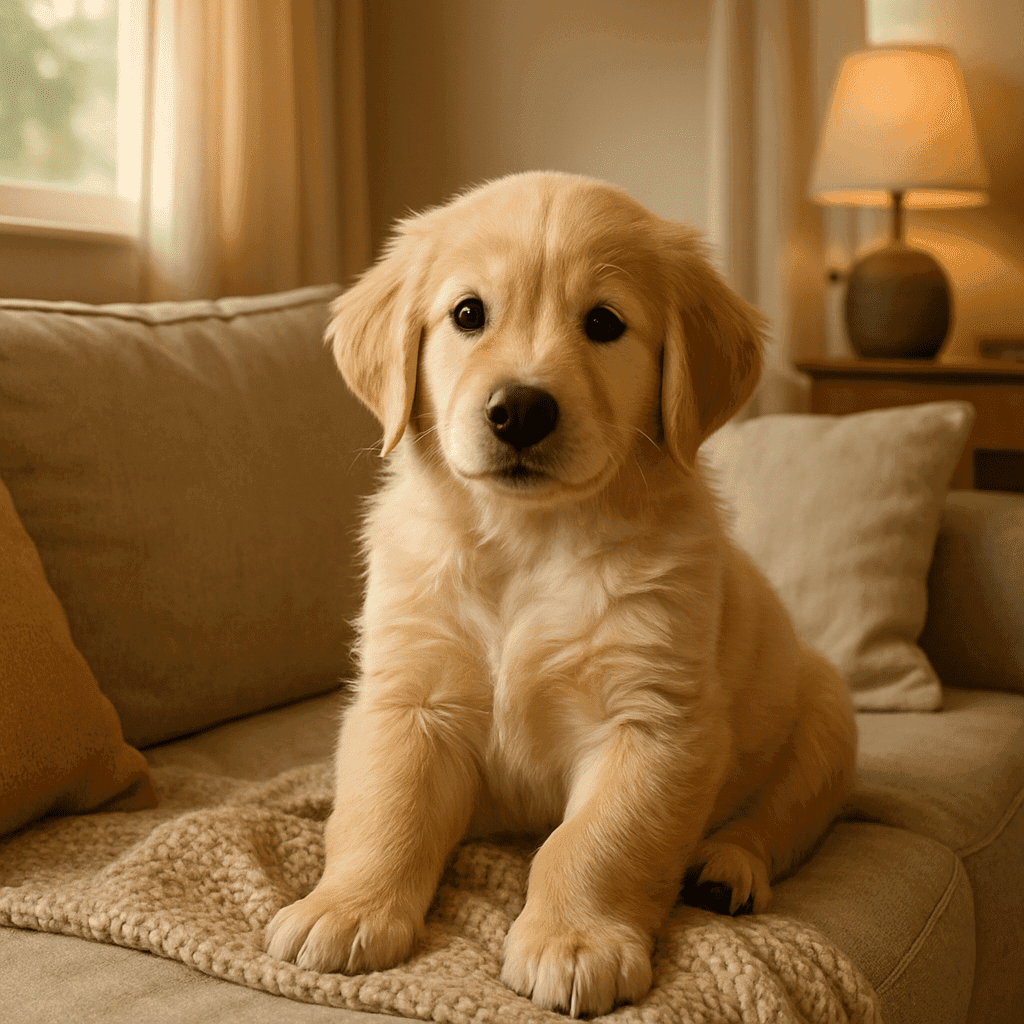
Puppy Not Eating on the First Day Home: What Is Normal And When To Worry
Your new puppy just walked into your home, and the first thing you want to do is make sure they’re comfortable and fed. You put down a bowl of the exact food the breeder or shelter gave you, and they turn away. A wave of anxiety hits. You might have already tried a different bowl, moved the food to a new spot, or even called a friend in a panic.
But here’s the truth: losing their appetite on day one is so common that many experienced owners expect it. The puppy isn’t rejecting you, and in almost every case, there’s no illness hiding behind it. The following guide gives you a clear structure to follow—starting with a fast answer, then a timed action plan, the root causes, a side-by-side normal-vs-concerning chart, the most common mistakes that prolong refusal, exact cut-offs for calling the vet, a 24-hour monitoring checklist, and answers to the scared questions you’re probably asking at 2 a.m.
Fast Answer: Is This Normal?
Yes, this is almost always normal. A healthy puppy who refuses food on the first day home is reacting to environmental shock, not a medical emergency. Your puppy just experienced a car ride, separation from the only family they’ve ever known, and a flood of unfamiliar sounds and smells. Cortisol—the stress hormone—is high, and it temporarily dulls hunger. Most puppies skip one or two meals and then eat when they feel safe, often after a nap or once the house quiets down.
However, there is a line between “stressed” and “sick.” Here are the key signs:
- Green Light (Normal): Puppy drinks water, is curious or calmly resting, has pink moist gums, and isn’t vomiting or having diarrhea.
- Red Light (Needs Vet): Refusal of water for more than a couple of hours, true lethargy (limp, unresponsive, won’t lift their head), pale or tacky gums, repeated vomiting, or watery diarrhea.
As long as you see green flags, you can follow the 4-hour action plan without panic.
First 4-Hour Action Plan: Exactly What to Do When Your Puppy Won’t Eat
This plan replaces frantic checking with a calm, timed sequence. You’ll focus on assessment, environment, low-pressure food offers, and a clear checkpoint. If at any point you hit a red light, stop reading and call your veterinarian.
Minute 0–15: Quiet Assessment
- Gums and Hydration: Gently lift a lip. Gums should be bubblegum pink, not pale. Lightly press a finger to the gum; when you release, color should return in under 2 seconds. For hydration, pinch skin between the shoulder blades—it should snap back immediately.
- General Stance: Is the puppy walking, sitting up, or sniffing around? That’s good. A puppy who lies limp and doesn’t respond to a soft voice is a worry.
- Water Check: Place a small bowl of fresh, cool water nearby. Don’t hover. Note if they drink, even a few laps.
If your puppy drinks water and seems alert—even if shy—proceed.
First Hour: Build a Low-Stress Food Setup
Now you can introduce the original food. Use the exact brand, type, and texture the puppy was eating before arrival—do not change it now. Put a tablespoon of kibble or a small amount of wet food on a flat dish in the puppy’s safe zone, then walk away. Puppies are more likely to investigate food when nobody is staring.
Leave the food for 10–15 minutes. If they ignore it, remove the dish calmly. Leaving food out all day encourages grazing and disrupts the schedule. If the puppy nibbles, even a few pieces, celebrate quietly and don’t pile on more.
Hours 1–4: Offer With Patience
After a nap or gentle play, re-offer the same food. Still don’t switch brands or add toppers; that can cause digestive issues. Try low-pressure hand offering: place a single piece of kibble on your palm near the floor. Let the puppy come to you. If they take it, offer more. If not, remove it and try again in an hour.
At the 4-hour mark, evaluate:
- Is the puppy drinking water? (Yes = good.)
- Moving around and responsive? (Yes = good.)
- Vomiting or diarrhea? (No = good.)
If all answers are positive, continue to monitor. If the puppy hasn’t eaten but is meeting green criteria, they are likely still settling.
Why Your Puppy Isn't Eating: The Top 3 Reasons (That Are Usually No Big Deal)
Understanding why a puppy turns down food helps reduce guilt and fear of causing the problem.
1. Environmental Stress and Cortisol Overload
Your home is a sensory overload for an 8-week-old brain. New smells, voices, and sounds elevate cortisol, suppressing hunger. As the environment becomes familiar, appetite reemerges.
2. Mild Separation Anxiety from Littermates
Puppies are used to group eating. Alone, they may feel unsure about eating. Time will teach them solo eating is safe.
3. Travel Fatigue and Motion Sensitivity
Car rides can cause nausea and dehydration. Resting and hydrating often reignite interest in food.
Each reason is a normal biological response, not an illness sign.
Red Light, Green Light: Normal vs. Concerning Signs
Here is a guide to distinguish between normal and concerning behaviors:
| Green Light (Normal – Monitor) | Red Light (Concerning – Vet Call Needed) |
|---|---|
| Sniffs food, walks away, drinks water. | Refuses water for more than 2 hours. |
| Follows you with tail wag or neutral. | Hiding or frightened. |
| Rests calmly, wakes up, stretches. | Limp, unresponsive, cannot stand. |
| Gums pink and moist; skin snaps back. | Gums pale, sticky; skin tents. |
| Eats a few pieces from your hand. | Complete food refusal. |
| No vomiting or one tiny spit-up. | Repeated vomiting, watery diarrhea. |
Yellow Light (Watch Closely):
- Puppy hasn’t eaten in 20 hours but drinks and plays gently.
- One soft stool episode, normal energy.
- Mild shivering resolved with warmth.
If unsure, lean on the checklist and call a vet’s line if worried.
5 Common Mistakes That Make Puppy Refusal Worse
Avoid these common mistakes that exacerbate the issue:
1. Changing the Food Too Quickly
Switching brands too soon may cause GI upset. Fix: Stick with original food for at least three days.
2. Hovering and Staring at the Bowl
This creates stress around eating. Fix: Place food, walk away, and occupy yourself.
3. Leaving Food Out All Day
This disrupts hunger signals. Fix: Offer food for 10–15 minutes; remove if untouched.
4. Feeding Too Soon After Arrival
Wait before feeding; let the puppy settle first. Fix: Wait 30–60 minutes.
5. Comparing to Other Puppies
Every puppy adjusts differently. Fix: Trust your observations.
When to Call the Vet: Clear Cut-Off Points
Have firm guidelines to act accordingly. Here's when to call the vet:
Cut-Off #1: 24 Hours Without Food AND No Water
Call your vet if this milestone is reached.
Cut-Off #2: Small or Toy Breed Under 12 Weeks
Call if not eaten in 12 hours due to risk of hypoglycemia.
Symptom-Based Triggers
Any red-light sign means call immediately.
If unsure, veterinary teams prefer early calls.
Your 24-Hour Puppy Health & Feeding Checklist
A checklist can relieve your stress by organizing your routine. Here’s the core structure:
- Time of arrival and water check
- Hourly water intake: “drank normally,” “a little,” “refused”
- Food offered and type
- Energy level: playful, calm, or lethargic
- Potty: normal, soft, diarrhea, none
- Vomiting: none, once, repeated
- Gum check: pink/moist, pale/sticky
A downloadable version of this checklist is available at the end of the guide.
Frequently Asked Questions
How long can a puppy go without eating safely?
A healthy puppy can typically go 12–24 hours without food if drinking water and showing energy. For young or toy breeds, limit to 12 hours before calling a vet.
What are the top 3 reasons a puppy refuses food on day one?
Environmental stress, separation anxiety, and travel fatigue are common causes and should resolve naturally.
What are the immediate red flags (lethargy, vomiting, diarrhea)?
True lethargy, multiple vomiting episodes, watery diarrhea, pale gums, or more than 2–4 hours without drinking are red flags. Call your vet if you see these.
Should I try different food or hand-feed?
Do not change food suddenly as it may upset digestion. Low-pressure hand-feeding is okay, but don’t force.
Is it okay if the puppy only drinks water?
Yes, water is crucial in the first 24 hours. If drinking water, continue monitoring food intake.
When exactly should I call the vet vs. wait?
Call for any red light sign, if a young or toy breed hasn't eaten in 12 hours, or any puppy hasn't eaten in 24 hours. Always prioritize calling when in doubt.
For additional help, check our Puppy Schedule Generator after your puppy settles in.