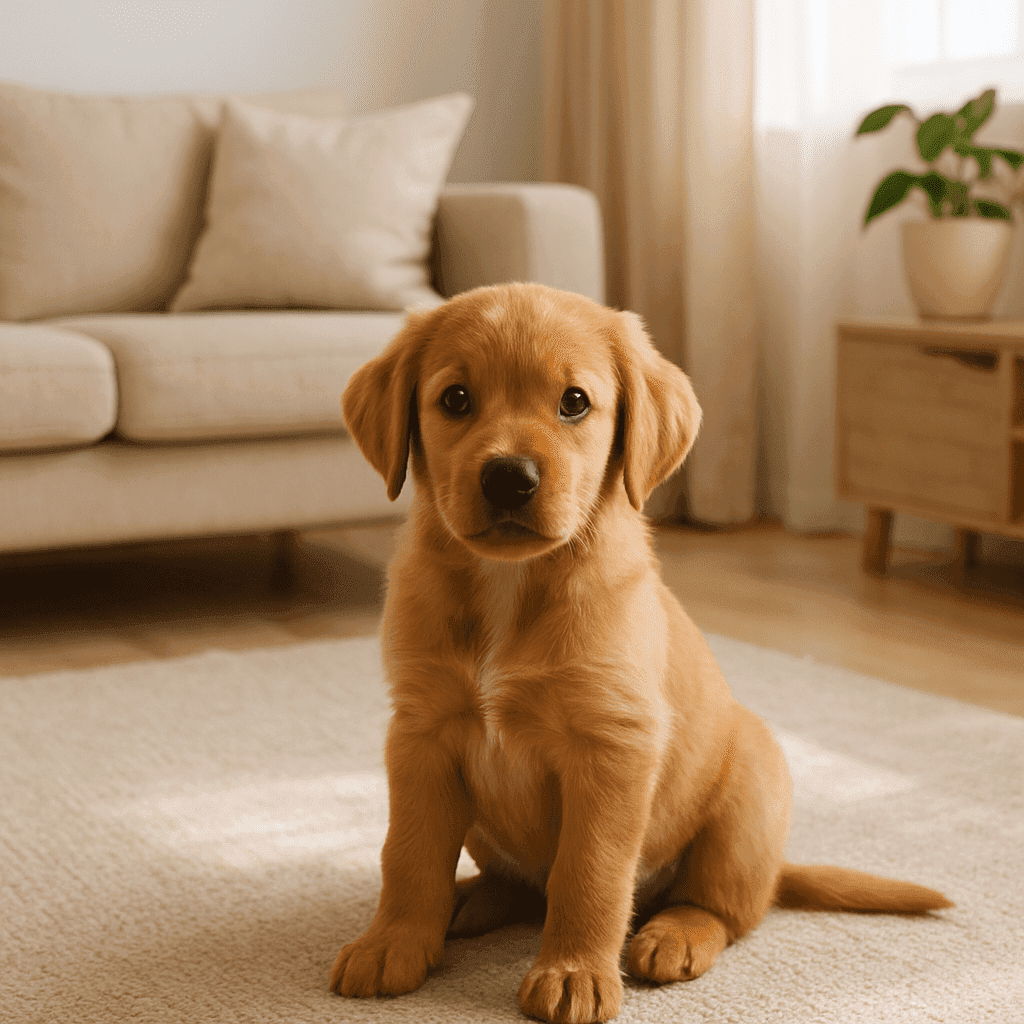
Puppy Refusing Food But Drinking Water: Common Causes And Safe Next Steps
What To Do First: 3 Things to Check Before You Panic
When you notice your puppy isn't eating, it can trigger worry. Start by checking these three points to assess the situation calmly.- Check 1: Has your puppy been drinking water in the last 6 hours? A puppy drinking water is a positive sign. If your puppy drank water recently, it's less likely to be a severe issue. If not, check that their gums are moist and pink. Dry gums increase urgency—consult your vet quickly.
- Check 2: What is your puppy’s energy level right now? Observe your puppy: are they playful and alert? A lively puppy missing a meal likely doesn't indicate a problem. If lethargic or hiding, seek veterinary advice immediately.
- Check 3: Has the environment changed recently? Changes like new surroundings or loud noises can affect appetite. Consider if recent events could be stressing your puppy. Stress often decreases their appetite temporarily.
Examples:
- A 9-week-old Golden Retriever skips dinner right after moving to a new home, yet is playful and hydrated. This is normal.
- A 14-week-old with red gums due to teething skips a meal but acts normally otherwise.
Mistake to avoid: Avoid offering multiple foods immediately. It can make your puppy picky and cause stomach upset. Observe first.
Step-by-Step Home Plan: How to Encourage Eating Without Making Things Worse
Once checks confirm non-urgent conditions, follow these steps to encourage eating:- Step 1: Remove the pressure – the 15-minute meal rule. Set the food down for 15 minutes calmly and remove it if uneaten.
- Step 2: Make the familiar food more enticing safely.
- Add warm water to kibble to release aroma.
- Use a tablespoon of dog-safe bone broth. Avoid human broths due to toxic ingredients.
- Step 3: Offer a short-term bland-meal bridge (one meal only). Try plain chicken and rice once if the puppy hasn't eaten for 12 hours (under 12 weeks) or 16 hours (older).
Mistake to avoid: Leaving food out all day encourages grazing. Stick to meal schedules to track appetite accurately.
Normal vs. Not Normal: When Refusing Food But Drinking Water Is Harmless – And When It’s a Red Flag
Use the table to guide action decisions:Your quick mental flow:- Drinking? No → Call vet.
- Playful? No → Call vet.
- Yes to both, fewer meals missed → Monitor calmly.
Vet-Safe Note: If unsure, consult your vet. Especially urgent for young or small-breed puppies.
5 Common Mistakes That Make Food Refusal Worse (And What to Do Instead)
- Mistake 1: Immediate food change. Issue: Diarrhea and confirming refusal pattern. Solution: Plan a 7-day gradual diet change if needed.
- Mistake 2: Hand-feeding meals. Issue: Dependency on you being present. Solution: Gradually transition to bowl-feeding.
- Mistake 3: Rich topper use instantly. Issue: Causes upset and encourages refusal for plain food. Solution: Start with warm water or bone broth.
- Mistake 4: Leaving food out all day. Issue: Masks issues, unpredictable habits. Solution: Adhere to set meal times.
- Mistake 5: Showing frustration. Issue: Associates anxiety with meals. Solution: Calm and neutral demeanor.
Troubleshooting: Why Your Puppy Won’t Eat at Different Ages (8–16 Weeks)
Special Caution: Tiny breeds can't fast as long. 8 hours is max if trembling or lethargy occurs. Use honey on gums if needed and contact vet.
Printable Checklist: Puppy Food Refusal Observation Log & Safe Action Steps
- Log Items: Date/time, meal offered, ate (Yes/No), water intake, energy level, gums condition, symptoms.
- Green Zone: Ate/missed 1 meal, normal energy. Continue routine.
- Yellow Zone: Two meals skipped, less active. Call vet if it worsens.
- Red Zone: Missed meals beyond limit, lethargic. Call vet.
FAQ: Quick Answers to the Most Common Puppy Eating Worries
- Why is my puppy drinking water but not eating at all? Drinking indicates they're not overly nauseous; stress, teething, or mild recovery often play a part. Test with bland meals. If refusing water, call vet.
- How long can a puppy go without food safely? Under 12 weeks: max 12 hours; over 12: 24 hours if drinking and energetic. Monitor closely.
- What are the most common harmless reasons for refusing food? Stress, teething, mild vaccine reactions. Typically short-lived if hydration is normal.
- When should I definitely call a vet? No hydration, listlessness, persistent vomiting/diarrhea, pale gums. Immediate vet contact advised.
- Can I change my puppy's food to entice them – and how do I do it safely? Gradually over 7 days to avoid stomach upset. Watch stool quality.
- Should I hand-feed or add toppers? Limit hand-feeding; use simple toppers responsibly. Encourage self-feeding.
- Is refusing food normal after vaccinations, moving home, or teething? Yes, typically common. Monitor reaction times and hydration.
Helpful Next Step: Build a Calm Feeding Routine
A solid routine minimizes stress and refusal risks. Generate your puppy schedule. Utilize a stable schedule paired with our checklist to manage feeding with confidence.
Sources and safety references
- AKC first day/new puppy guidance
- PetMD puppy crying in crate guidance
- VCA puppy care guidance