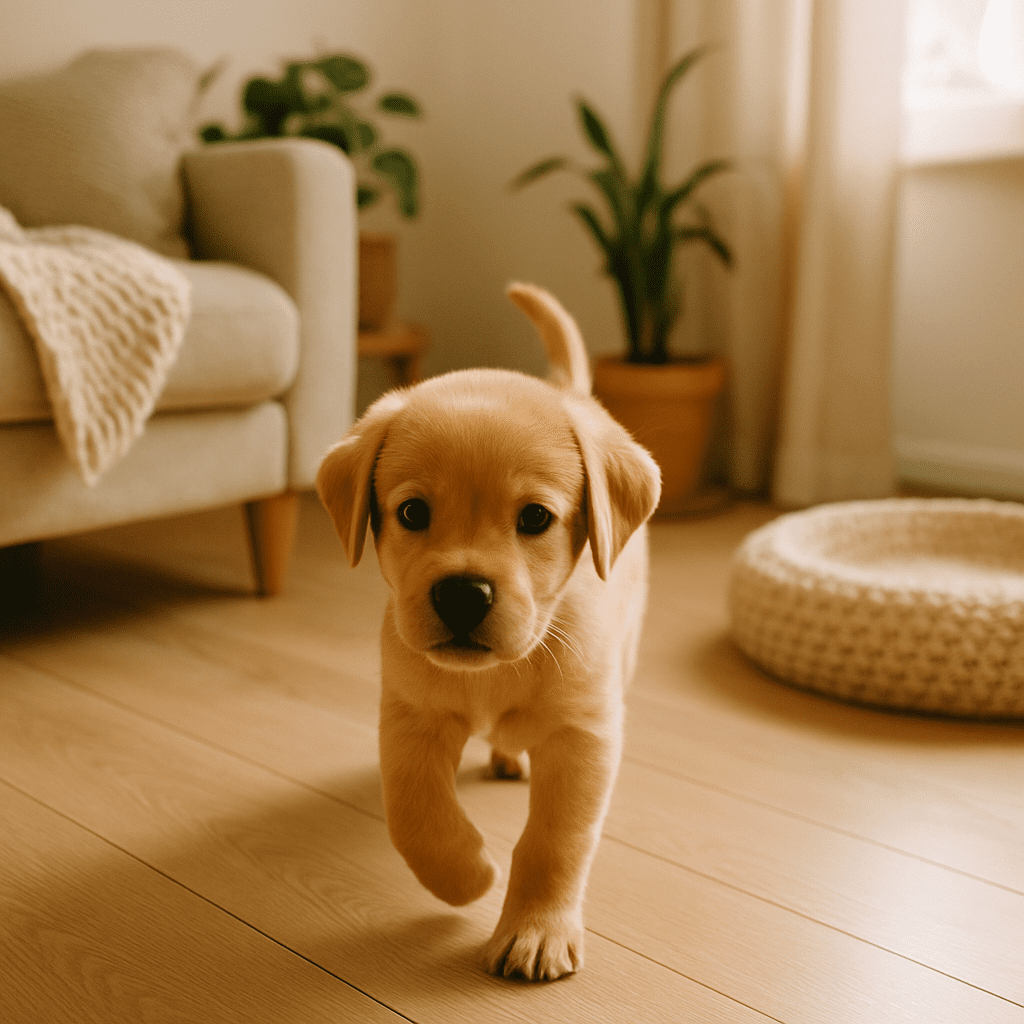
Puppy Training Before Vaccinations: Safe Indoor Skills and Socialization Boundaries
Fast Answer: What’s Safe and What’s Off-Limits Before Your Puppy’s Vaccinations
The waiting period before your puppy’s final DHPP vaccine doesn't mean pausing all training. Your home is a safe zone. Here’s what you can and can’t do right now:
Safe – Go for it- Teach basic cues like sit, down, and name response.
- Handle gently: paws, ears, mouth, collar with treats.
- Sound desensitization at low volume.
- Introduce household objects: umbrellas, hats, vacuums (off).
- Carrier comfort: feed meals inside, short engine-on sessions.
- Supervised indoor playdates with fully vaccinated dogs.
- Explore surfaces like cardboard and yoga mats.
- Pet store floors, dog parks, public sidewalks.
- Interactions with unvaccinated dogs.
- Boarding or daycare until vet approval.
Rule of thumb: Assume outdoor public spaces are risky. Private, clean yards are generally safe if thoroughly checked. Start with three small exercises tonight to make meaningful progress.
What to Do First: Your Pre-Vaccination Training Roadmap
Instead of waiting for the final vaccine shot, use this phased plan to make the most of your time.
Phase 0 – Safety Sweep- Secure unsafe areas in your home.
- Clear small hazards and cords.
- Prepare puppy-safe disinfectants.
- Gentle handling: 30-second sessions on paws, ears, tail.
- Introduce a clicker or marker word paired with treats.
- Play household sounds at low volume during meals.
- Add one new sound or object daily.
- Start carrier comfort at a gentle pace.
- Schedule a calm playdate with a vaccinated dog.
- Continue sound expansion.
- Practice brief alone time with their crate.
- Introduce leash use in a safe yard.
Slow down if stress signs appear. This plan is about gradual, positive exposure.
Safe Indoor Training and Socialization Activities (In Order of Priority)
A prioritized list ensures your puppy learns critical skills confidently.
Tier 1: Gentle Handling and Body Acceptance
Why: Reduces future handling resistance.
How: Lift a paw, give a treat. Repeat with other body parts. Aim for two minutes daily.
Tier 2: Sound Desensitization
Why: Prevents noise fear.
How: Use low-volume playlists while the puppy eats and increase gradually.
Tier 3: Household Object Novelty
Why: Makes new objects non-threatening.
How: Let the puppy voluntarily explore with treats nearby.
Tier 4: Carrier and Car Comfort
Why: Ensures stress-free vet visits.
How: Use positive experiences in the carrier gradually.
Tier 5: Calm Playdate with a Vaccinated Dog
Why: Teaches social skills.
How: Supervised and brief sessions with a trusted dog.
Tier 6: Indoor Surface Exploration
Why: Prevents texture sensitivity.
How: Introduce different surfaces with treats.
Ongoing: Basic Cues and Impulse Control
Why: Enhances focus and self-regulation.
How: Short sessions using daily food as rewards.
Your Puppy’s ‘Okay vs. Not Okay’ Location Guide
Use this guide to make safe space decisions:
| Location | Safety | Condition |
|---|---|---|
| Your indoor home | Safe | Cleaned regularly, no unknown dogs |
| Private backyard | Safe | No unknown dogs, feces removed |
| Friend’s indoor home | Safe | Cleaned and inspected |
| Vet exam room | Low Risk | Use fresh mat |
| Public sidewalks, dog parks | Not Safe | Parvovirus risk |
If unsure, carry your puppy in a covered carrier.
Normal vs. Concerning Behavior: What to Expect During the Pre-Vaccination Phase
Knowing what’s normal helps manage expectations and concerns.
Normal:- Quick recovery from startling sounds.
- Occasional zoomies followed by rest.
- Mild mouthing with no aggression.
- Persistent hiding or trembling.
- Refusal to eat or acute lethargy.
- Continuous growling.
If behavior doesn’t improve, consult your vet.
5 Common Mistakes That Sabotage Early Training and Socialization
Avoid these pitfalls to ensure effective socialization.
- Delaying All Training Until After Vaccinations - Start indoor training immediately.
- Hosting Playdates with Unverified Dogs - Ensure dogs are fully vaccinated.
- Avoiding Handling Due to Wiggling - Use brief, positive, and treat-based handling sessions.
- Loud Sound Desensitization - Keep volumes low and sessions short.
- Trusting Unsanitized Surfaces - Stick to verified clean environments.
Troubleshooting: What to Do If Your Puppy Shows Fear, Boredom, or Setbacks
Respond effectively to challenges with these steps:
Fear Response:Remove triggers, lower stimulus, and rebuild confidence.
Hyperactivity:Check if overtired, use calm crate routines.
Potty Training Regression:Stick to a frequent schedule and consult vet if needed.
Carrier Refusal:Use treats to create positive associations, never force entry.
Your Daily Pre-Vaccination Training and Socialization Checklist
Daily actions build consistency:
- [ ] Gentle handling with treats.
- [ ] Low-volume sound exposure.
- [ ] Introduce new object.
- [ ] Carrier comfort with treats.
- [ ] Basic cue training.
Pick up where you leave off if a day is missed.
Frequently Asked Questions
Can I take my puppy to a pet store before vaccinations?
No, pet store floors are risky contamination zones. Use home exercises instead.
Is it safe to have friends visit with their dogs?
Yes, if the visiting dog is fully vaccinated, parasite-free, and healthy.
What counts as "safe" socialization at home?
Intentional exposure to sounds, sights, and interactions in a safe environment.
How do I know if my backyard is safe?
Ensure it’s fenced, clean from feces, and free from unknown dogs.
When exactly can I start puppy classes?
Consult your vet after the final vaccination for the right timing.
What if my puppy shows fear during indoor exposure?
Stop, lower intensity, pair with treats, and consult a trainer if severe.