Dog Refusing to Go Home After a Walk: Normal vs. Not Normal & What To Do
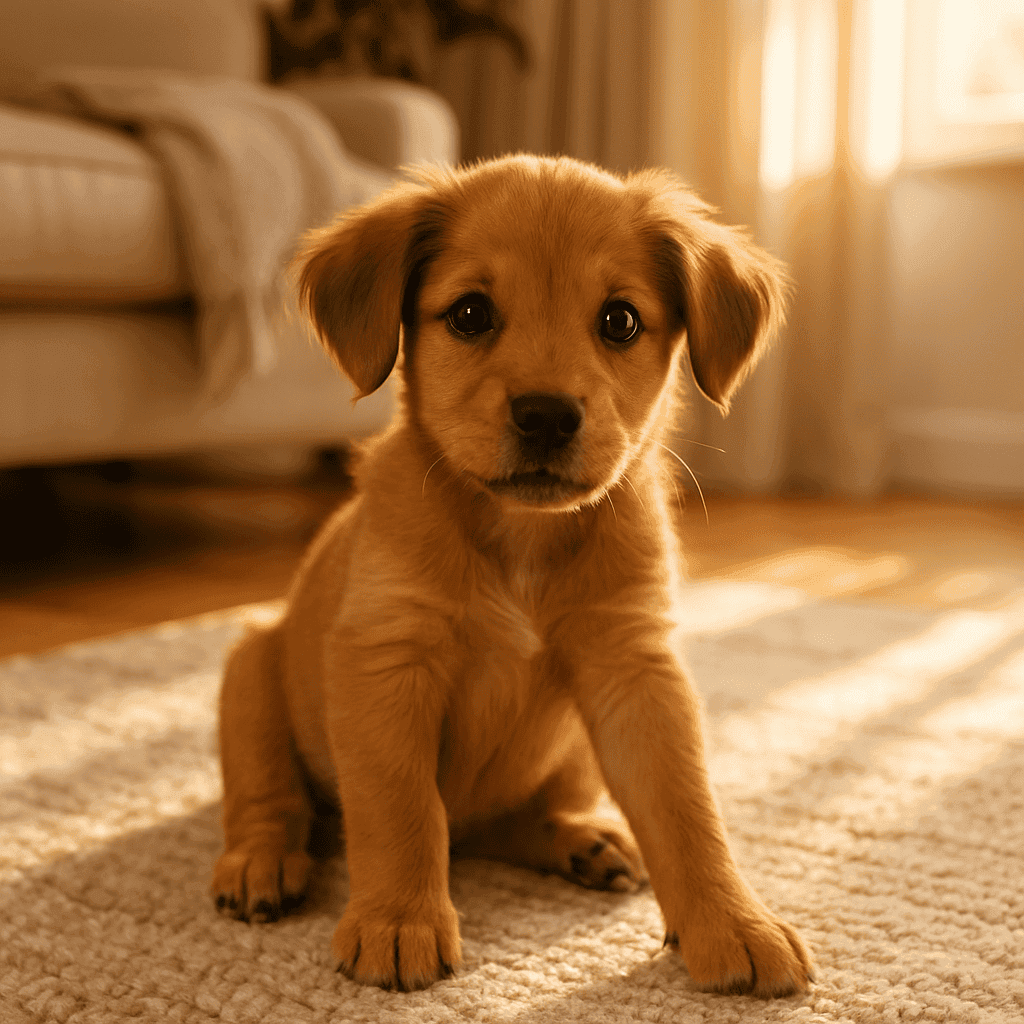
If your puppy suddenly plants all four feet on the sidewalk, sits like a tiny statue, or pulls backward when it's time to head home, you are not alone. This is one of those puppy moments that feels equal parts embarrassing, frustrating, and slightly alarming. One second you're walking nicely. The next, your puppy is staring at you as if going home is the worst idea ever.
The good news: in many cases, this is normal puppy behavior, not defiance or a sign that you've failed. Puppies stop because they are curious, tired, overstimulated, or worried about something in the environment. Sometimes, though, refusal to move can be a clue that something hurts, the puppy is overheated, or fear has taken over.
The goal here is simple: help you figure out what kind of stop you're dealing with, what to do right now, and how to prevent the same standoff on the next walk.
Is It Normal? A Quick Decision Tree for Your Puppy’s Walk Refusal
Use this as your mid-walk reality check. It takes less than a minute and keeps you from overreacting or pushing a puppy too far.
Green: normal puppy behavior
Your puppy is probably in the Green zone if:
- They stop to sniff something interesting for a bit, then take a treat and move on.
- They look back toward the park or the direction you came from, but their body looks loose and interested.
- They pause, then happily follow a cheerful voice or a food lure.
What to do: Keep it gentle. Use the training steps below, reward movement, and finish the walk calmly.
Yellow: tired, hot, or overwhelmed
Your puppy is probably in the Yellow zone if:
- They lie down suddenly after a fairly active walk.
- They start slowing, sitting, or shutting down after lots of sights, sounds, or smells.
- They seem unsure, tense, or too tired to keep going, but there’s no obvious pain.
What to do: Pause, offer water, find shade or a quieter spot, and shorten the walk. Give the puppy a 2–5 minute reset before trying again.
Red: possible pain, fear, or illness
Your puppy may be in the Red zone if:
- They yelp, limp, hold up a paw, or lick one foot over and over.
- They tremble, tuck their tail, try to flee, or refuse even a high-value treat.
- They pant heavily, drool, or seem weak on a mild day.
- They suddenly panic near a loud truck, skateboard, child, or bus and cannot settle.
What to do: Stop the walk. Check paws and body only if it can be done safely. Carry your puppy if needed. Call your veterinarian if pain, heat, or illness might be involved.
Quick examples
- Your 4-month-old freezes when a garbage truck rumbles by, ears back and tail low. That’s likely fear, not stubbornness.
- Your puppy plops down on a grassy patch after 20 minutes and refuses to get up. That’s often simple fatigue or overload.
If the answer feels unclear, use the treat test: hold a very high-value treat at nose level. If your puppy eagerly follows it, the issue is probably behavioral or environmental. If they ignore it, pain, heat, or intense fear becomes more likely.
What To Do First: The 3-Step Emergency Reset
When a puppy plants and you feel yourself tensing up, don’t pull. The first job is to remove pressure, not add more.
Step 1: Stop and breathe
- Relax your hand.
- Let the leash go slack.
- Kneel or crouch so your body feels less threatening.
- Take one slow breath out.
That calm body language matters. A tight leash and a frustrated voice can make a nervous or tired puppy shut down even more.
Step 2: Do a fast scan
Ask yourself:
- Did the puppy stop to sniff, or did they suddenly sit or lie down?
- Is there any limping, paw licking, yelping, trembling, or tail tucking?
- Is the pavement hot, the weather humid, or the area noisy and crowded?
This is where the Green / Yellow / Red decision tree helps you avoid guessing.
Step 3: Try the Happy Reset
Use a bright, silly voice and make yourself more interesting than the sidewalk.
Try this exact sequence:
- Say something cheerful like, “Puppy puppy, what’s this?”
- Show a high-value treat, such as freeze-dried liver, chicken, or a tiny piece of cheese.
- Step backward one or two steps, or sideways, rather than straight toward home.
- The moment your puppy follows, say your marker word like “yes!” and reward.
Why this works: many puppies are more willing to move toward motion, novelty, and food than toward a plain old “home direction.” You are turning the moment into a game instead of a struggle.
Real-world examples
- On a busy city sidewalk, your puppy plants near an intersection. Instead of tugging, you kneel, soften the leash, and step backward with a treat. Your puppy follows. Crisis solved.
- On a quiet neighborhood walk, your puppy lies down in the shade after a long sniff session. You offer water, wait two minutes, then use the Happy Reset to get a few easy steps going again.
If the treat lure fails, try a “chase me” reset: stand up, sound delighted, and jog lightly away from home for a few steps. Many puppies will follow movement without thinking. If that still doesn’t work, give the puppy a short rest break before trying again.
How To Get Home Gracefully: From Standstill to Door
The problem usually isn’t getting one step. It’s getting all the way home without another standoff. The trick is to stop thinking in terms of “walk finished” and start thinking in tiny wins.
Phase 1: Re-engage the body
Use one of these:
- Touch the hand: hold out your palm and reward nose contact.
- Find it: toss a treat on the ground and let your puppy sniff for it.
- Take one step: reward any forward motion at all.
These mini-games break the freeze without forcing the puppy into a showdown.
Phase 2: Use micro-walks
Now keep the distance tiny.
Try this pattern:
- Walk 2–5 steps.
- Reward.
- Allow a brief sniff break.
- Repeat.
If your puppy stops again, do not panic. Go back to easier steps. The rule is simple: make the next success small enough that your puppy can actually win it.
Phase 3: Make home feel rewarding
The last few steps should not feel like punishment.
You can:
- Scatter a few treats near the door.
- Give a short toy party inside.
- Feed a tiny jackpot as soon as the puppy comes in.
This teaches that going home leads to good things, not the end of all fun.
Important rule
Only carry your puppy if you think they are in the Red zone or the environment is unsafe. Carrying out of frustration can teach “stopping gets me picked up,” which can make the refusal habit stronger.
Example scenario
You’re 200 feet from home and your puppy lies down. Instead of picking them up in annoyance, you place a treat near your shoe, say “get it,” and reward the stand-up. Then you take two steps, reward again, and repeat. Four minutes later, you are at the door with a happy puppy.
If the puppy keeps stopping every time you turn onto your street, reverse the pressure. Walk away from home for 10 feet, cheerfully spin, then jog home in a playful way. Sometimes that silly change is enough to break the pattern.
Why Puppies Refuse to Go Home
Once you know the cause, the behavior feels much less personal.
1. The smells are doing too much
A puppy’s nose is powerful. A single patch of grass may be loaded with information: who walked there, what they ate, whether a squirrel passed by, and whether another dog was nearby. That can be more interesting than home.
2. They may be overtired
Puppies are not built for long endurance. A walk that seems short to you may be a lot for them, especially if they have already had play, excitement, or training earlier in the day.
3. Fear periods are real
Puppies can suddenly become unsure of things they handled yesterday. Loud trucks, buses, skateboards, umbrellas, children, or a new street corner can all trigger a “nope” moment.
4. Home may mean the fun is ending
If every walk ends the moment the puppy gets home, they may notice that heading home predicts crate time, quiet time, or being left alone. They are not being difficult on purpose; they just don’t like the ending.
5. The behavior may have been reinforced before
If stopping has previously led to attention, treats, a carry, or a big emotional reaction, your puppy may have learned that planting works.
Realistic examples
- A 5-month-old puppy stops at the same fire hydrant every walk. That’s often pure scent obsession.
- A 12-week-old puppy happily walks out but sits halfway home on a hot day. That’s more likely fatigue or discomfort than stubbornness.
Red Flags: When Walk Refusal Could Mean Pain, Fear, or Overheating
Some stops need more than training. Watch for these signs.
Pain clues
- Limping
- Holding one paw up
- Crying or yelping when moving or touched
- Licking one leg or paw over and over
- Stiffness after rest
- Refusing to bear weight
Example: your puppy hops off a curb, yelps, and then lifts a front paw. That is not a training issue. That is a reason to stop and check for injury.
Fear or panic clues
- Tucked tail
- Wide eyes or visible whites of the eyes
- Trembling
- Trying to hide behind you
- Trying to bolt away from the trigger
- Refusing treats they normally love
Example: a puppy that normally enjoys walks now shakes and tries to climb into your arms every time a school bus passes. That is a fear response, not defiance.
Heat or environmental danger clues
- Hot pavement
- Excessive panting
- Drooling
- Bright red gums
- Vomiting or weakness
- Sharp objects, broken glass, or winter salt on the ground
If the pavement is too hot for your hand, it is too hot for puppy paws.
If you are uncertain, use the treat test. A puppy in pain or panic may refuse a high-value treat. That refusal is a useful clue that you should slow down and take the concern seriously.
5 Beginner Mistakes That Make Walk Refusal Worse
You may already have tried one of these. That’s okay. You can still fix the pattern.
| Mistake | Why It Backfires | What To Do Instead |
|---|---|---|
| Dragging the leash | It creates tension, stress, and a negative association with going home | Keep the leash slack and reset with a happy voice and treat |
| Yelling or scolding | Puppies read tone more than words; anger can make fear worse | Use a bright, playful tone even if you feel annoyed |
| Carrying every time they stop | The puppy learns that planting equals a free ride | Carry only for Red-zone safety issues |
| Walking too far | Overly long walks lead to fatigue, shutdown, and plopping | Shorten the walk and watch for tiredness early |
| Using boring treats | Kibble often loses to outdoor smells | Reserve high-value treats for walk situations |
A fix for one common problem
If you have been saying “let’s go” while frustrated and pulling, your puppy may now associate that phrase with stress. Re-teach it indoors first.
Try this:
- Say the cue happily.
- Toss a piece of chicken a few feet away.
- Repeat several times.
You want the phrase to feel like an invitation, not a warning.
Train a “Let’s Go Home” Cue So It Gets Easier
This is the long-term fix. You are teaching your puppy that heading home is a known, rewarded skill.
Step 1: Teach it indoors
In a quiet room, say “Home time!” in a happy voice. Immediately scatter a few treats. Repeat until your puppy perks up at the phrase.
Step 2: Move to the front door
Say the cue near the door and reward for moving in that direction.
Step 3: Use it before the refusal starts
On walks, say the cue when your puppy is still moving fairly well, not after they’ve already planted.
Step 4: Make it a game
Occasionally walk away from home for a few steps, then turn and race back together when you say the cue. That keeps the cue fun and prevents suspicion.
Step 5: Practice near distractions
Use it near sniff spots, park exits, or the end of an outing. Reward generously.
Helpful tools:
- A treat pouch
- A clicker or marker word
- A long-line for safe practice in open areas
If the cue starts to feel “spoiled” because it only appears when fun ends, do a short cue reset inside the house for a few days: say the cue, give treats, no walk attached. Then bring it back outside.
Troubleshooting: 5 Emergency Moves When Nothing Works
Sometimes even the best plan stalls. Use these in order.
- The 5-Minute Zen Break
Sit quietly with your puppy, no demands, no tugging. Sometimes stress drops enough for movement to return. - Change the picture
Try a squeaky toy, a cheerful whistle, or a different direction. Novelty can break the freeze. - Use a safe arc, not a straight pull
If you have room and a long-line, guide the puppy in a gentle curve instead of dragging straight toward home. - Carry for safety only
If the puppy is hurt, overheated, or terrified, carry them calmly. That is not failure; it is good judgment. - End the mission safely
If the situation is going nowhere, call for help or use a pet-friendly ride home. Better to reset the day than create a bad association.
Example: a puppy freezes near a noisy overpass after a truck blast. Positive tricks fail, so you carry the puppy to a quieter street and continue the walk calmly later. That is the right call.
Never leave a puppy tethered alone while you hope they will eventually move. And never keep pushing into a worsening situation just because you want the walk to be over.
Puppy Walk Refusal Rescue Checklist: Copy This Into Your Phone
| Step | What To Do | Why |
|---|---|---|
| 1. Pause and breathe | Slack leash, kneel down, relax your body | Prevents tension from spreading to the puppy |
| 2. Run the quick decision tree | Green, Yellow, or Red? | Helps you choose the right response fast |
| 3. If Green | Use the Happy Reset with a treat lure and one step backward | Keeps things positive and moving |
| 4. If Yellow | Offer water, shade, and 2–5 minutes of rest | Helps with fatigue or overload |
| 5. If Red | Stop the walk, check for pain or overheating, carry if needed | Protects your puppy from harm |
| 6. Prevent tomorrow’s repeat | Shorten the walk, practice “Home time!” indoors, pack better treats | Builds a better pattern next time |
Frequently Asked Questions
Is it normal for a puppy to refuse to go home?
Yes. Very often it is normal puppy behavior caused by curiosity, tiredness, or sensory overload. The key is to tell normal stopping apart from signs of pain, fear, or overheating.
How can I tell if my puppy is scared vs. just stubborn?
A scared puppy usually has a tucked tail, wide eyes, trembling, or tries to hide or flee. A curious or mildly stubborn puppy may still sniff, look around, and take a treat. The treat test helps: refusal of a high-value treat can mean fear or pain.
What should I do immediately when my puppy plants and won’t move?
Stop pulling. Relax the leash, scan for Green / Yellow / Red clues, then use a cheerful Happy Reset with a treat and a step backward or sideways.
Could this be a sign of pain or fatigue?
Yes. Sudden refusal, limping, yelping, paw licking, or heavy panting can point to pain, overheating, or exhaustion. If those signs are present, stop the walk and contact a veterinarian.
How do I prevent this before the next walk?
Shorten the walk to fit your puppy’s age and energy level, practice a positive “Home time!” cue indoors, and bring high-value treats for the walk home.
Why does my puppy lie down on walks?
Usually because they are tired, overloaded, hot, or a bit worried. Lying down is often the puppy’s way of saying, “I need a break,” not “I refuse to obey.”
Is it okay to carry my puppy home if they refuse to walk?
Yes, but only if they are in the Red category or the area is unsafe. Carrying out of frustration can reinforce the planting behavior. Use it for safety, not as the default solution.
How long should a puppy walk be to avoid overtired refusal?
A common guideline is about 5 minutes of structured walking per month of age, up to twice a day, with sniffing and play included as part of the experience. Many puppies need less than people expect.
If your puppy stops refusing after you shorten the walk, use a better treat, and make the way home feel rewarding, you’re already making progress. This is usually not a character problem. It’s a communication problem, a tiredness problem, or occasionally a health problem.
If you’re still unsure what your puppy’s behavior means, or you notice red-flag signs, use the Puppy Panic Button to quickly check whether the situation needs urgent veterinary attention. Keep it bookmarked before your next walk so you have it when you need it.