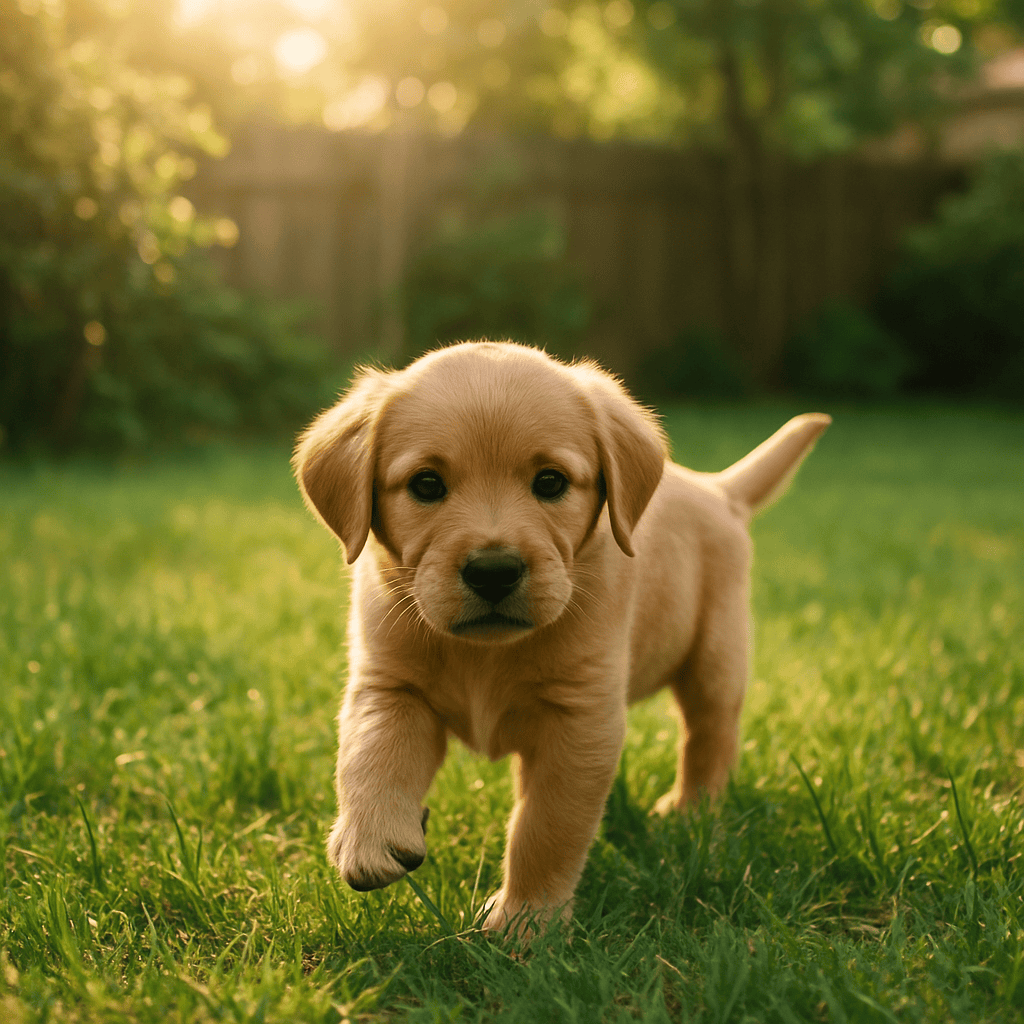
Puppy Eating Grass: What Is Normal, What To Stop, And When To Worry
If your puppy is eating grass, the short answer is: it is often normal in small amounts, and by itself it usually is not an emergency. Many puppies nibble a blade or two while exploring, sniffing, or wandering through the yard. Some swallow the grass. Some just mouth it. Some gag afterward and look dramatic even when nothing serious is happening.
The important part is not just that your puppy is eating grass. It is how they are doing it, what else they are eating, and whether they look sick afterward. Occasional grazing is usually a management question. Heavy, repeated, or sudden grass eating can be a clue that something else is going on.
The Direct Answer About Eating Grass
The direct answer is that occasional puppy eating grass is common enough to treat as a behavior to observe first, not a disease to assume. Puppies use their mouths to learn about the world. Grass is easy to reach, it has a smell, it moves, and it often appears during the exact moments when puppies are already low to the ground sniffing.
That said, grass eating alone does not prove a deficiency, worms, nausea, or a stomach problem. It may be related to boredom, excitement, habit, or simple curiosity. It may also happen after eating food, during potty breaks, or when the puppy is overstimulated. The behavior itself is nonspecific, which means you need context before deciding what it means.
A useful first distinction is this:
- Low concern: your puppy nibbles a few blades, keeps moving, and acts normal.
- More concern: your puppy repeatedly grabs grass, dirt, leaves, or clippings, or seems sick afterward.
So the first question is not “Is grass toxic?” The first question is “Is this a small, ordinary behavior, or is it part of a pattern that looks different from normal puppy exploring?”
If you want a practical rule, use this: one or two brief grazing moments in a day is usually a watch-and-redirect issue. Multiple grass-eating episodes every outing, especially if they are paired with vomiting or other nonfood eating, should be documented and discussed with your vet.
How Eating Grass Fits the Real Situation
Context changes the meaning. A puppy who eats one blade of grass after breakfast is not in the same situation as a puppy who bolts for the lawnmower clippings or gulps down mouthfuls of grass every time they go outside.
If your puppy eats grass right after food, that does not automatically mean the food was wrong. Many puppies will still mouth grass after a meal because the grass is available and interesting. A puppy may also eat grass during the same trip outside where they were sniffing for a potty spot. In that case, the grass may be incidental rather than the main event.
A few factors matter most:
- how often it happens
- how much grass the puppy actually eats
- whether the puppy also eats dirt, leaves, or clippings
- whether the grass was treated with chemicals
- how the puppy acts before and after
Lower-concern examples:
- a few blades now and then
- a puppy who is playful, alert, and easy to redirect
- no vomiting, diarrhea, coughing, or bloating
- ordinary lawn grass that has not recently been treated
Higher-concern examples:
- intense grass eating every time the puppy goes outside
- sudden increase in the behavior
- eating dirt, leaves, or mulch along with grass
- repeated vomiting, loose stool, lethargy, or unusual restlessness
- exposure to fertilizer, pesticide, herbicide, or mower clippings
If your puppy falls outside the low-concern pattern, that does not mean panic. It means you should stop guessing and start observing more carefully.
A good rule of thumb is to pay attention to repetition. One brief nibble may be ordinary puppy behavior. Three or more grass-eating incidents in the same day, or a pattern that shows up for several days in a row, is worth tracking in a note on your phone.
The Distinctions That Matter Most
People often group grass, dirt, leaves, and clippings together, but they are not the same thing.
Grass versus dirt
If your puppy is eating grass and dirt, you are usually looking at two behaviors at once. That matters because dirt can carry extra risk. A tiny bit of dirt during exploration is not automatically a problem, but heavy dirt eating can expose a puppy to parasites, bacteria, stones, or chemicals. It is not proof of a deficiency by itself, but it is worth watching.
Grass versus leaves
If your puppy is eating grass and leaves, the leaf part deserves attention. Leaves can come from harmless plants or from dangerous ones. A single dry leaf may pass without issue, but leaves from unknown garden plants, mulch piles, or houseplants are not something to dismiss as just “part of grazing.”
Grass versus grass clippings
This is the one that changes the risk the most. Grass clippings are not the same as standing grass. They can clump together, which makes them harder to swallow and easier to choke on. They can also hold in heat, mold, or residue from mower fuel, oil, or lawn treatments. Keep your puppy away from clippings.
| What your puppy eats | Usual concern level | What to do first |
|---|---|---|
| A few ordinary grass blades | Low | Watch, redirect, and do not chase |
| Large amounts of ordinary grass | Medium | Limit access and watch for vomiting or coughing |
| Grass after lawn treatment | High | Remove puppy and call your vet |
| A small taste of dirt | Low to medium | Redirect and watch if it becomes frequent |
| Repeated or large dirt eating | Medium to high | Track it and ask your vet |
| Leaves from an unknown plant | Medium to high | Remove access and identify the plant if possible |
| Grass clippings | Medium to high | Keep puppy away and watch for choking, retching, or lethargy |
The table helps you sort the moment, but the plain-English rule is simple: ordinary grass is usually less concerning than clippings, treated grass, or repeated eating of nonfood items.
Common Misunderstandings to Avoid
One myth is that puppies eat grass because they are trying to make themselves vomit. That can happen sometimes, because grass can irritate the stomach or throat, but it is not the only explanation. Many puppies eat grass and never vomit at all. It is more accurate to say that some puppies vomit after eating grass, not that every grass eater is planning to vomit.
Another myth is that grass eating always means a deficiency or worms. That is too confident. Grass eating is common in healthy puppies, so the behavior alone cannot tell you why it is happening. If your puppy also eats dirt, leaves, or other nonfood items often, that is a different pattern. If the stool is abnormal, the coat looks poor, or the puppy seems off, that is when the conversation changes.
It is also a mistake to assume all natural things are safe. Grass may be ordinary, but a lawn can still be treated with chemicals, and clippings can cause problems even when the standing grass looks harmless.
Finally, do not try to punish the behavior out of your puppy. Scolding, grabbing the muzzle, or chasing can make the puppy swallow faster or turn the grass into a game. A calmer response works better: use a cheerful cue, move away, and reward the puppy for leaving the area. You are not rewarding the grass. You are rewarding the choice to disengage.
For a humane training approach that avoids fear and force, see the AVSAB humane dog training position statement.
What To Do In The Moment
If your puppy is currently eating grass, use the simplest safe response:
- Interrupt calmly. Use a happy voice or a known cue.
- Move the puppy away. Do not yank, yell, or chase.
- Offer a better option. A treat, toy, or short walk in a cleaner area can help.
- Check the setting. Was the lawn treated? Are there clippings, leaves, or other debris?
- Watch the puppy afterward. Look for vomiting, gagging, diarrhea, coughing, lethargy, or belly pain.
If the puppy only ate a few blades and then ran off to play, you probably do not need to do much more than watch. If the puppy keeps returning to the grass, starts eating dirt too, or seems unsettled, then the pattern deserves more attention.
A practical way to redirect is to carry a few treats on every potty break. If your puppy starts grazing, call them back once, reward them for returning, then move to a cleaner patch or end the trip with a short walk. That keeps the moment boring, which makes the grass less interesting over time.
When The Answer Changes The Next Step
Most of the time, grass eating ends with a normal puppy moving on. The answer changes when the behavior is paired with a warning sign.
Call your veterinarian or an emergency clinic if your puppy has any of these signs:
- repeated vomiting
- diarrhea, especially if it is severe or bloody
- retching without bringing anything up
- a bloated, hard, or painful belly
- coughing, choking, or trouble breathing after clippings or debris
- weakness, collapse, or pale gums
- unusual lethargy or refusal to eat or drink
- known exposure to treated grass, fertilizer, pesticide, mower residue, or a possibly toxic plant
One vomit after a blade of grass can happen and still turn out to be minor if the puppy quickly goes back to normal. The bigger concern is repetition, worsening signs, or a puppy who does not act like themselves.
If you are unsure what was eaten, note the time, take a photo of the grass area if you can, and keep the puppy from eating more. If a toxic plant or treated lawn is possible, call a qualified veterinary professional rather than waiting to see what happens.
Safety note: This guide is informational, not a substitute for veterinary triage. If your puppy is retching without producing anything, has a swollen or painful belly, seems weak, has pale gums, collapses, has trouble breathing, or may have eaten grass clippings, treated grass, or an unknown plant, call your veterinarian right away. Do not wait for symptoms to “pass.”
If you are stuck between “probably fine” and “this feels wrong,” use the Puppy Panic Button for a quick red-flag check before you call for help: Use the Puppy Panic Button.
Practical Notes For Common Situations
Should I stop my puppy from eating grass?
You do not need to panic every time your puppy takes a nibble, but you should stop repeated or risky grazing. The goal is not to win a power struggle. The goal is to keep your puppy away from the situations that carry more risk: treated lawns, clippings, unknown plants, and heavy dirt eating.
What if my puppy eats grass only at night?
Night-only grass eating often points more to routine than to illness. Some puppies are more mouthy when they are tired, under-stimulated, or doing a final sniff before bed. If the puppy is otherwise calm and healthy, timing alone is not a strong warning sign. The same rules still apply, though: repeated vomiting, restlessness, or other illness signs matter more than the clock.
Can eating grass cause a blockage or choking?
A few blades usually do not. The higher concern is grass clippings, which can clump together, or a puppy who is gulping large amounts of grass along with debris. Choking, repeated gagging, or retching without producing anything should be treated as a warning sign.
My puppy eats grass, dirt, and leaves. Is that a deficiency?
Not necessarily. It may be curiosity, boredom, or a habit of exploring everything with the mouth. But if the behavior is frequent, intense, or paired with vomiting, loose stool, weight loss, or poor appetite, ask your vet. Do not start supplements on your own to “fix” a problem that has not been identified.
What if my puppy eats grass clippings from the lawnmower?
Treat that more seriously than ordinary grass. Clippings are denser, may be treated, and can be harder to pass or cough up. Keep your puppy away from the area and watch for vomiting, coughing, belly discomfort, or a tired, off puppy.
Troubleshooting Guide
If you want a faster way to sort the situation, use this decision path:
- My puppy ate 1 to 3 blades and seems normal. Watch, redirect next time, and make a note if it happens again.
- My puppy keeps returning to the grass. Reduce access, move to a cleaner area, and use a reward for leaving the grass.
- My puppy ate grass clippings. Watch closely for retching, coughing, gagging, belly pain, or vomiting.
- My puppy ate treated grass or I am not sure what was on the lawn. Remove access and call your vet for advice.
- My puppy ate grass and then vomited once. Monitor for repeat vomiting and general behavior over the next several hours.
- My puppy is also eating dirt, leaves, or mulch. Treat this as a broader nonfood-eating pattern and mention it to your vet.
- My puppy seems weak, bloated, or can’t keep water down. Seek veterinary help promptly.
If you are keeping a log, include the time, location, what was eaten, and whether your puppy vomited, coughed, or returned to normal. That record helps your vet more than a vague “they ate grass sometimes.”
Copyable Grass-Eating Log
Use this simple log if the behavior is repeating. You can copy it into your notes app:
- Date and time:
- Where it happened:
- What the puppy ate: grass / dirt / leaves / clippings / unknown
- About how much: a few blades / small mouthful / repeated grazing / unknown
- Was the lawn treated recently? yes / no / unknown
- Did the puppy vomit? yes / no
- Did the puppy cough, gag, or retch? yes / no
- Any diarrhea or loose stool afterward? yes / no
- How did the puppy act 30 minutes later? normal / tired / restless / painful / other
- What did I do? redirected / removed from area / called vet / monitored
This is useful because grass eating often looks random until you compare several episodes. A log can show whether it happens after meals, during boredom, in one part of the yard, or right after lawn care.
Checklist Summary
- [ ] A few blades only, with normal behavior
- [ ] No repeated vomiting
- [ ] No diarrhea or blood in stool
- [ ] No choking, coughing, or retching
- [ ] No bloated or painful belly
- [ ] No known exposure to lawn chemicals or clippings
- [ ] Puppy is eating normally and acting like themselves
- [ ] Behavior is occasional, not constant
- [ ] I can redirect the puppy away from the grass
If several boxes are unchecked, or if your puppy seems unwell, it is time to call your vet.
FAQ
Should I be worried if my puppy eats grass only at night?
Night-only grass eating may reflect routine, boredom, or a little extra sniffing before bed. By itself, the timing is not the biggest concern. The same warning signs still matter: repeated vomiting, diarrhea, lethargy, or a puppy who seems unwell after the behavior.
Is it normal for my puppy to eat grass and then vomit?
It can happen. A single vomit after eating grass may be mild if the puppy quickly returns to normal. It becomes more concerning if vomiting repeats, if there is blood or dark material, if the puppy cannot keep water down, or if other symptoms appear.
Why is my puppy eating grass?
Common reasons include curiosity, mouth exploration, boredom, excitement, or habit. Grass eating alone does not prove a medical problem. The behavior is more important when it is frequent, intense, or paired with dirt, leaves, clippings, or illness signs.
Should I stop my puppy from eating grass?
You should interrupt risky or repeated grazing, especially around treated lawns, clippings, and unknown plants. For occasional harmless nibbling, a calm redirect is usually enough. Try a cheerful leave-it cue, move to a different spot, and reward the puppy for disengaging.
When should I call the vet about grass eating?
Call if your puppy vomits repeatedly, has diarrhea, seems weak, has a bloated or painful belly, retches without producing anything, or may have eaten treated grass, clippings, or an unknown plant. You do not need to diagnose the cause before calling.
Can eating grass cause a blockage or choking?
A few blades usually do not cause a blockage. The bigger risk is grass clippings, clumps of debris, or a puppy who is gulping large amounts very fast. If your puppy is choking, repeatedly gagging, or retching without relief, treat that as a safety problem and call a veterinarian promptly.
What if my puppy keeps eating grass every day?
Daily repetition is more useful than one-off grazing. If it happens every day, note the time, the place, and whether it follows meals, walks, or boredom. Bring that pattern to your vet, especially if your puppy is also eating dirt or leaves or has vomiting or stool changes.
Is there a safe way to let my puppy explore the yard?
Yes. Use a clean area, supervise the first few outings, and steer your puppy away from clippings, mulch, and unknown plants. A short leash, a few treats, and a calm redirect are often enough to keep the outing safe without turning it into a battle.