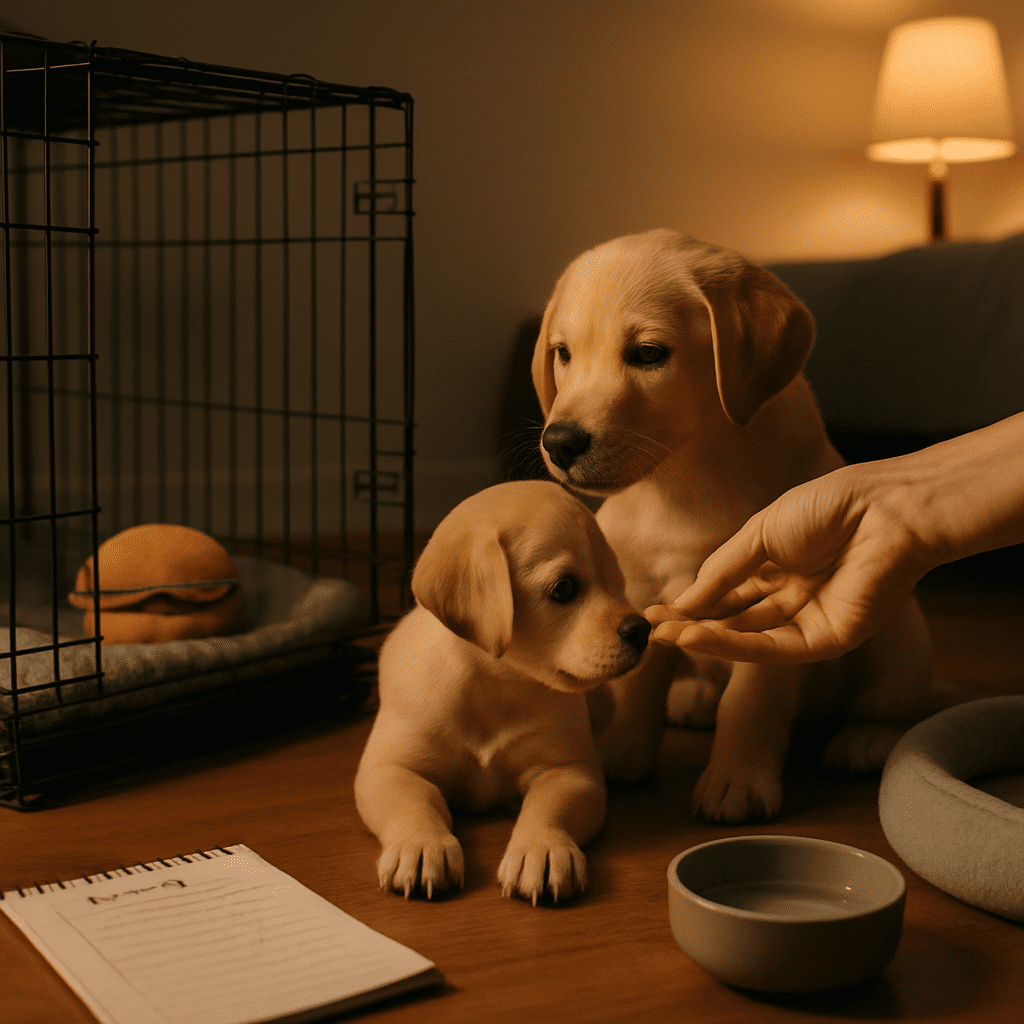
Puppy Suddenly Hates the Crate: A 3-Night Reset Plan for Exhausted First-Time Owners
You brought your puppy home, spent days coaxing them into the crate with treats and soft blankets, and for a week or two it worked. They slept, you slept, and life felt manageable.Then, out of nowhere, your puppy dog suddenly hates kennel time. They freeze at the door, back away, whine, bark, scratch, or scream the moment you latch it. You are exhausted, confused, and maybe even a little heartbroken because you do not want to make your puppy miserable.Here’s the fast answer: sudden crate refusal is almost never about stubbornness. It is usually fear, discomfort, a bad experience, overtiredness, or a normal puppy development stage. The fix is not louder ignoring, forcing them in, or letting them panic. The fix is a short reset that re-teaches the crate as a safe, predictable place.Use the 3-night plan below to calm the situation, rebuild trust, and get back to peaceful crate sleep without making the fear worse.
Why Your Puppy Suddenly Hates the Crate
Before you blame yourself, know this: a puppy who suddenly hates the kennel is common. It often happens around 10–14 weeks, but it can happen at any age.The most likely causes are:- A scary event happened in or near the crate. A loud noise, door slam, child poking fingers through the bars, crate cover falling, or bedding getting tangled around a paw can create a negative association.
- Pain or physical discomfort. Teething pain, an upset stomach, a urinary issue, constipation, or a tender spot from rough play can make confinement feel unbearable.
- Overtiredness. Puppies who are awake too long often fight sleep like toddlers. By evening, the crate can become the target of the meltdown.
- A fear period. Puppies go through developmental stages where familiar things suddenly seem suspicious or scary.
- Routine chaos. A skipped nap, late dinner, too much excitement, or an unexpected room change can make a sensitive puppy resist bedtime.
Safety First: When to Pause and Call Your Vet
Safety note: A puppy that screams, pants, drools, frantically claws at the door, empties their bladder or bowels inside the crate, bites the bars, or tries to injure themselves is not just being dramatic. That is panic-level distress. Stop the session, let them out calmly without a big emotional reaction, and call your veterinarian or a qualified force-free professional for guidance. Do not try to train through possible pain or true panic.Pause the reset and call your vet if crate refusal appears with:
If your puppy is healthy and you are seeing avoidance, whining, barking, or resistance without injury-level panic, the plan below is appropriate.- Vomiting, diarrhea, straining to pee, or repeated accidents
- Sudden lethargy, weakness, or refusal to eat or drink
- Limping, yelping, trembling, or sensitivity when touched
- Excessive licking of the genital area
- Bloody stool or urine
- Distress that escalates instead of settling
- Escape attempts that could damage teeth, nails, or paws
Before Night 1: Reset the Setup
Do not start by trying to prove a point. Start by making the kennel feel safe again.Check these basics before bedtime:- Crate size: Your puppy should be able to stand, turn around, and lie down comfortably. Too small feels cramped. Too large can encourage potty accidents.
- Location: For the reset, place the crate near you. A bedroom, sofa area, or mattress on the floor beside the crate is fine.
- Bedding: Use washable bedding that cannot easily be shredded or swallowed. If the old bed was soiled or associated with a bad night, wash it with an enzymatic cleaner or swap it out.
- Temperature: Make sure the area is not too hot, cold, drafty, or noisy.
- Potty timing: Take your puppy out right before the crate. Keep the trip boring: leash, potty cue, praise, back inside.
- Wind-down: Avoid wrestling, chase, or wild tug right before bed. Use dim lights, calm handling, and a licking or chewing activity.
The 3-Night Crate Reset Plan
This plan assumes you will sleep near the crate for at least the first two nights. That might mean a mattress on the floor, the crate beside your bed, or the crate next to the sofa.The goal is not instant independence. The goal is trust. Independence comes after your puppy believes the crate is safe again.Night 1: Open Door, Zero Pressure
On Night 1, do not close the crate door if your puppy is already suspicious of the kennel. Your only job is to make the crate area feel calm and rewarding.Steps:- Put the crate in a quiet, familiar spot with the door wide open.
- Sit beside it with high-value treats.
- Toss treats near the crate entrance. If your puppy approaches, toss one just inside. If they step in, calmly praise.
- Do not push, lift, shove, or lure with pressure. Let them choose.
- Place a stuffed food toy or safe chew inside the crate and let them work on it with the door open.
- At bedtime, do one final potty trip, then return to the crate area.
- Let your puppy sleep in the open crate, half in the crate, or on a bed right beside it.
Night 2: Short Door Closures With You Present
Only move to Night 2 if your puppy willingly approaches or enters the crate for food. If they still avoid it completely, repeat Night 1.During the day or early evening, practice tiny closures:- Put a stuffed toy or a few treats inside.
- Let your puppy walk in voluntarily.
- Close the door for 10–30 seconds while you sit right beside the crate.
- Open the door calmly before your puppy gets worried.
- Repeat a few times, gradually working up to 2–3 minutes if your puppy remains relaxed.
- Do the final potty trip.
- Put the stuffed food toy inside the crate.
- Let your puppy enter voluntarily.
- Close the door quietly.
- Lie or sit beside the crate.
Night 3: Longer Closure and Tiny Distance
By Night 3, many puppies can handle the crate door closed as long as you are nearby. Now you begin adding a little duration and a little distance.During the day, practice:- 5–10 minutes in the crate with a chew while you sit nearby
- 30 seconds out of sight, then return calmly
- 1–2 minutes out of sight if your puppy stays relaxed
- Repeat the same calm routine: potty, dim lights, stuffed toy, crate.
- Close the door once your puppy enters.
- Start beside the crate.
- When they settle, move your sleeping spot a foot or two away.
- If they stir, speak softly. If needed, move closer again.
Copyable 3-Night Crate Reset Log
Use this log beside the crate or copy it into your notes app. At 2 a.m., tired brains make emotional decisions. A simple log helps you see patterns and avoid pushing too fast.| Night & Date | Door Plan | Where I Slept | Puppy Response | Potty Breaks | Next Step |
|---|---|---|---|---|---|
| Night 1 | Door open | Beside crate | Calm / whine / panic | Time + result | Repeat or move to Night 2 |
| Night 2 | Short closures, owner present | Beside crate | Calm / whine / panic | Time + result | Repeat or move to Night 3 |
| Night 3 | Longer closure, tiny distance | 1–2 feet away | Calm / whine / panic | Time + result | Increase distance or repeat |
| Extra night | Custom |
Quick scoring guide
| What you saw | What it probably means | What to do next |
|---|---|---|
| Puppy enters crate for food and relaxes | Trust is rebuilding | Continue the plan |
| Mild whining that tapers | Normal adjustment | Wait for pauses, reward calm |
| Whining increases after several minutes | Too hard or potty need | Potty check, then make it easier |
| Barking, clawing, drooling, frantic escape | Panic | Stop and step back; consider professional help |
| Accidents in the crate | Potty timing, crate size, or health issue | Adjust potty breaks and consider a vet call |
Daytime Routine Fixes That Make Nighttime Easier
Nighttime crate problems often begin during the day. A puppy who skipped naps, got overstimulated, or had a stressful confinement experience is far more likely to fight the crate at bedtime.Use these daytime changes during the reset:1. Protect naps before your puppy becomes wild
Young puppies need a lot of sleep. Many need around 18–20 hours per day, especially under 16 weeks. If your puppy has been awake 45–90 minutes and is biting, zooming, barking, or ignoring familiar cues, they may be overtired.Do not wait for the meltdown. Offer a potty break, then a calm nap setup.2. Feed meals in or near the crate
Start with the bowl just outside the crate if your puppy is nervous. Then move it to the entrance, then just inside, then deeper inside over several meals.Eventually, you can close the door while they eat and open it as soon as they finish. This creates many low-pressure repetitions of crate equals good things.3. Play crate games when you do not need anything
Several times a day, toss a treat into the crate, let your puppy go in, praise calmly, then release them. Do not close the door every time.This matters because many puppies learn that entering the crate always predicts being left alone. Crate games make the behavior feel light and voluntary again.4. Stop using the crate as punishment
Even if you are frustrated, avoid angry crate time after biting, accidents, barking, or chewing. If you need a break, use a safe playpen or puppy-proofed area without scolding.The crate should predict sleep, safety, food, and calm — not owner frustration.5. Make the evening boring on purpose
The last 20–30 minutes before bed should not be a party. Choose:- A calm potty walk
- Gentle handling
- Dim lights
- A safe chew or licking activity
- Quiet praise
A predictable routine is one of the easiest ways to prevent crate refusal from returning. If your day feels chaotic, the Puppy Routine Builder can help you plan meals, naps, potty breaks, and crate rest around your puppy’s age and your real schedule.
Common Mistakes That Make Crate Fear Worse
Mistake 1: Forcing the puppy into the crate
Pushing, dragging, or cornering a puppy may get them physically inside, but it teaches them that the crate is unsafe. Use food, patience, and choice instead.Mistake 2: Jumping from panic to full isolation
If your puppy panicked last night, do not expect them to sleep alone in another room tonight. Rebuild from the easiest successful step.Mistake 3: Letting them cry without checking needs
You do not have to respond dramatically to every squeak, but you should check reasonable needs: potty, pain, temperature, hunger, thirst, and fear. Ignoring escalating distress can deepen the problem.Mistake 4: Making release exciting
When you open the crate, stay calm. If every release becomes a celebration, your puppy may become more frantic about getting out. Quiet freedom is better.Mistake 5: Practicing only at bedtime
If the only crate session happens when everyone is tired, pressure builds. Practice tiny, easy crate moments during the day.What If You Need Sleep Tonight?
Sometimes owners are at a breaking point. You may have work in the morning, neighbors nearby, or a puppy who has screamed for multiple nights.If your puppy is panicking, choose a safe temporary sleep arrangement rather than forcing another bad crate experience. Options include:- Sleeping beside the open crate
- Using a puppy-safe playpen next to your bed
- Using a baby-gated area with washable bedding
- Keeping the crate door open inside a larger pen
FAQ: Puppy Suddenly Hates the Crate
Why did my puppy suddenly start hating the kennel?
A sudden change usually means something changed for your puppy emotionally or physically. They may have had a scary experience, be overtired, be entering a fear period, or be dealing with discomfort such as teething, stomach upset, or a potty issue. Look for patterns before assuming defiance.Should I let my puppy cry it out in the crate?
Do not ignore panic. Mild whining that comes and goes may be okay for a few minutes if your puppy has had a potty break and is safe. But screaming, frantic escape attempts, drooling, clawing, or distress that escalates should be interrupted calmly. Step back to an easier crate setup.What if my puppy used to sleep in the crate but now barks all night?
Go back to basics for several nights. Move the crate near you, use open-door or short-door sessions, add a stuffed food toy, and reduce evening excitement. Also check for health or potty changes if the barking is truly sudden.Is it okay to move the crate into my bedroom?
Yes. For many puppies, sleeping near their person helps them settle. You can move the crate away gradually later. A few nights of closeness is often better than weeks of crate battles.How long does a crate reset take?
Many puppies improve in 3 nights, but some need 5–7 nights or longer. Progress depends on the cause, your puppy’s age, and whether panic has been rehearsed. Move at the pace of calm behavior, not the calendar.When should I get professional help?
Get help if your puppy injures themselves, panics every time the door closes, soils the crate repeatedly despite potty breaks, or shows other signs of illness or severe anxiety. Start with your veterinarian, then consider a certified force-free trainer or behavior consultant.Next Step: Prevent the Next Crate Regression
A puppy who suddenly hates the crate is not being stubborn. They are telling you the current setup feels too hard, too scary, too uncomfortable, or too unpredictable.Your job is to lower the pressure, rebuild the positive association, and add difficulty in tiny steps. Start with safety, use the 3-night reset, track what happens, and repeat any step your puppy cannot handle calmly.Once the crate feels safe again, protect that progress with a steady routine. Consistent meals, naps, potty breaks, and calm bedtime habits make the kennel feel like part of the day instead of a surprise event.If you want help building that rhythm, use the PuppyLaunch routine tool to map your puppy’s day by age, wake windows, meals, potty breaks, naps, and crate rest: Build your puppy routine.