Puppy Zoomies at Night: The First-Week Crate Sleep Reset Plan for Exhausted Owners
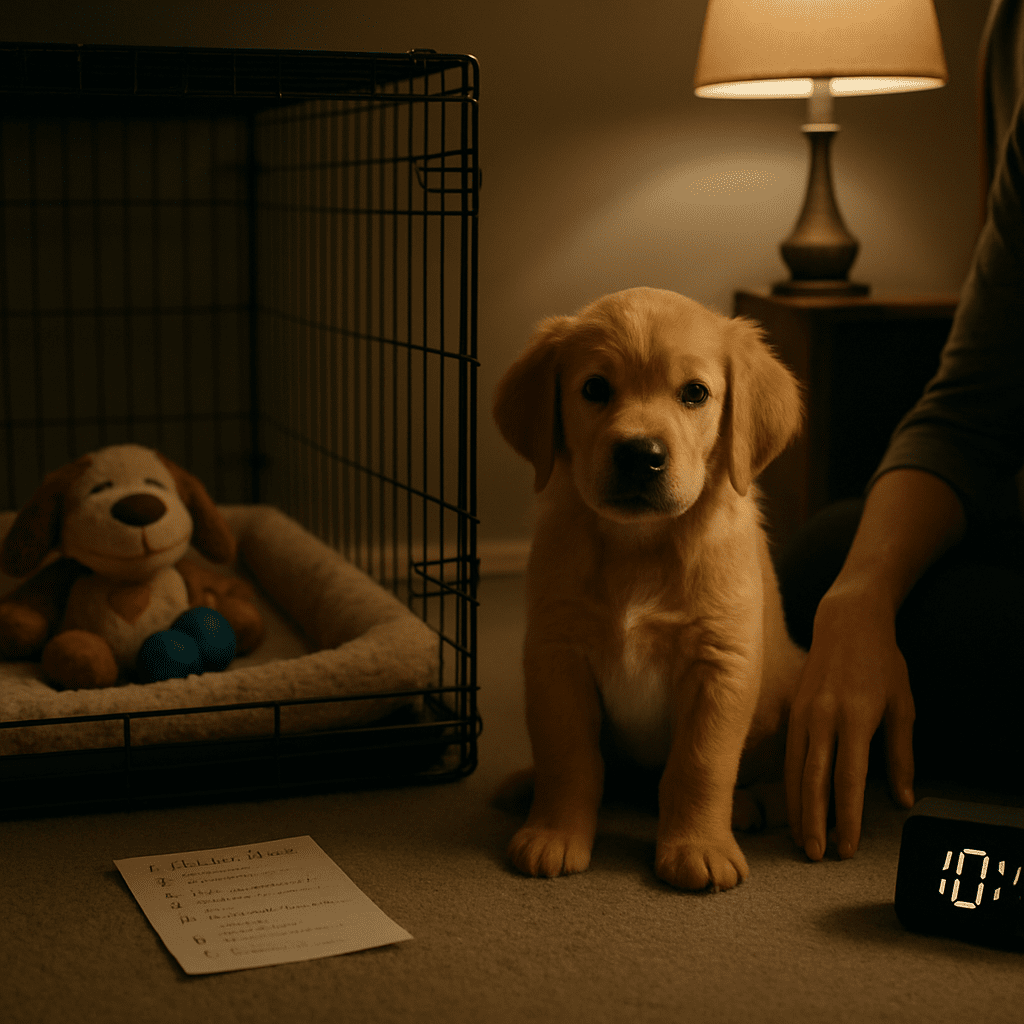
It’s 10:30 p.m. Your 10-week-old puppy just did three laps around the living room, crashed into the sofa, and now you’re standing in front of the crate wondering if you’ll ever sleep again. You’re not imagining it—puppy zoomies at night are real, and they can feel like a punch to your exhausted gut. This isn’t a list of calming tips. It’s a clear 7-night plan that tells you exactly what to do at bedtime, how to handle crying, and when to know you’re on the right track—so you both can rest.You’re not a bad owner. Nighttime zoomies are common, and they don’t mean your puppy is broken or that you’ve failed. In fact, they’re a normal part of puppyhood—but you can shape them into calm evenings with a predictable routine. The plan below works even if you’re running on fumes, and it’s built around safety, kindness, and real-world moments (like 2 a.m. when you can’t tell if it’s potty or panic).Why Your Puppy Gets Night Zoomies (And Why It’s Not Your Fault)
Puppy night zoomies are a burst of frantic energy that usually lasts 1–5 minutes and hits between 8 and 11 p.m.—right around crate time for most young puppies. They often peak between 8 and 16 weeks of age and then gradually fade as the puppy’s routine matures.The root causes aren’t a mystery. They fall into four buckets:- Unspent physical and mental energy. A puppy who napped all evening may suddenly explode because her last real activity was hours ago. A 9-week-old Labrador, for example, might sleep from 5 p.m. until 9 p.m. and then unleash a wild sprint at 10 p.m. because she needs to move.
- Overtiredness. Conversely, an 11-week-old Dachshund who zoomed after a long play session did so because she was overtired, not under-exercised. Missing daytime naps can leave a pup wired rather than sleepy.
- Natural crepuscular rhythm. Dogs are naturally more active at dawn and dusk. The evening burst is biological, not a sign of misbehavior.
- Littermate absence. In a new home, zoomies can be a bid for attention or comfort. The puppy is looking for her pack and doesn’t yet know how to settle alone.
Safety note: Occasional short zoomies are fine. But if your puppy’s night episodes come with vomiting, diarrhea, extreme lethargy, or refusal to eat, pause the plan and call your veterinarian. The guidance below is for normal puppy energy, not medical conditions.
The Zoomies-or-Potty Decision: A 30-Second Guide
At 11 p.m., you hear wild scrabbling. Is it a potty emergency or just the zoomies? Getting this wrong leads to accidents or to a puppy who learns that middle-of-the-night noise means an outside party. Use this mental checklist the moment you hear movement:- Wait 30 seconds. Observe. Is the nose glued to the floor, or is the puppy tearing in circles without sniffing?
- Check the clock. If it’s been more than 2 hours since the last pee (for an 8–12-week-old puppy) or the pup drank a lot recently, assume potty first.
- Read the body language.
- Potty signals: sniffing, circling, squat attempts, or heading for the door. A puppy who just scarfed dinner at 6:30 p.m. and hasn’t peed since 9 p.m. likely needs to go at 9:10 p.m., even if she’s also zooming.
- Zoomie signals: frantic running, play bows, spinning without sniffing, often right after a successful potty trip.
- If unsure, do a rapid potty trip. Clip on a lead, go out silently (no play, no cheerful voice), stand still for 2 minutes. If there’s no pee or poop, back inside to the wind-down protocol.
Your Night-1 Bedroom Setup: Last Play, Potty, and Crate Prep
Tonight, you’ll follow a timed sequence that removes the triggers for zoomies. The golden rule: all active, exciting play ends 2 hours before your target crate time. If bedtime is 8:00 p.m., the last game of fetch or tug finishes by 6:00 p.m. After that, only calm activities are allowed.Sample evening timeline (bedtime 8:00 p.m.):- 6:00 p.m.: Last active play ends.
- 6:00–7:30 p.m.: Low-key family time; puppy can potty, maybe have dinner, but no zoom-inducing play.
- 7:30–7:50 p.m.: Calm wind-down (20 minutes). Choose from:
- A frozen stuffed toy like a KONG Classic filled with a little wet food—licking is deeply soothing.
- A snuffle mat or a puzzle toy to work the nose.
- Quiet handling or gentle brushing.
- 7:50–7:55 p.m.: Final potty trip. On-leash, no sniff-walk, no play—just business. Stand in the same boring spot until the puppy goes, then straight back inside.
- 7:55–8:00 p.m.: Crate preparation. Place a soft mat, a safe chew, and perhaps a Snuggle Puppy heartbeat toy. Cover three sides of the crate with a lightweight cover to make it den-like. Turn on a white noise machine or a fan to mask household sounds, and dim the lights.
- 8:00 p.m.: Put the puppy in the crate with her chew. Sit quietly beside the crate for 5–10 minutes, reading a book or scrolling your phone without looking at her. Then leave the room softly.
The First-Week Crate Reset Plan: Night-by-Night Breakdown
This is your core night protocol, designed to reduce zoomies and teach independent settling. It includes crying response rules, potty trip decisions, and morning adjustments. You’ll track progress each night.Crying Response Rules (place these on your phone or beside the crate):- Brief whine (less than 5 minutes): Ignore. Most puppies grumble and then sleep.
- Mild-but-sustained whine (over 5 minutes) or escalating: Wait for a brief pause of 10–15 seconds, then go in neutrally. Clip the lead, no talking, no eye contact. Take the puppy out for a potty-only trip (stand still, give 2 minutes). If she pees or poops, praise calmly and return to crate. If not, back inside.
- True distress (panic, shaking, panting, trying to escape): Immediate calm check-in. Stay close to the crate until the panic subsides. Do not force interaction; your presence is enough. If panic recurs every night despite protocol, consult a force-free trainer or veterinarian.
| Night | What to Do | What to Expect |
|---|---|---|
| Night 1 | Full bedtime ritual as above. Sit beside crate for 10 minutes after placement. If puppy cries, follow crying rules. Potty trip only if sustained need after the 3-hour mark. Morning: wake puppy gently if still asleep after 7 a.m. | Some whining for 10–30 minutes is normal. One middle-of-night potty trip is fine for puppies under 10 weeks. Zoomies should be reduced compared to previous nights because of wind-down. |
| Night 2 | Same ritual. Shorten beside-crate time to 5 minutes. Respond to crying after 3 minutes of continuous noise (instead of 5) to prevent escalation. | Settling may take 15–20 minutes. Still one night potty trip possible. You may notice slightly less frantic pre-crate energy. |
| Night 3 | Stick to the routine—do not loosen rules. Expect the common “blip.” If progress seems to regress (more crying, a return of zoomies), you’re not failing; the puppy is testing boundaries after two nights of learning. | A night-3 blip often happens: puppy may whine longer or seem to forget the pattern. Hold firm. Return to 10 minutes beside-crate if needed. |
| Night 4–5 | Same wind-down. If the puppy has slept 4–5 hours straight without accidents, you may skip the middle-of-night potty trip unless the puppy truly signals need. | Settling under 10–15 minutes. Zoomies nearly absent before crate door closes. You might hear just one short whimper before sleep. |
| Night 6–7 | You can begin slight flexibility—shift wind-down by 10 minutes if needed. Still keep the ritual. If the puppy has slept 6+ hours straight for three consecutive nights, you can consider dropping the night potty trip for good. | Crate entrance becomes calm, even willing. Long overnight stretches (6+ hours). Morning wake-ups are quieter; the puppy may wait without frantic zoomies. |
What to Do When Progress Stalls (Night 3 Blip, Morning Grumpiness)
Setbacks are part of learning, not signs of failure. Use the troubleshooting below to keep your sanity.Troubleshooting card| Scenario | Immediate Action |
|---|---|
| Night-3 crying worse than Night 1 | Return to strict Night-1 protocol: sit beside crate for 10 minutes after placement, no flexibility. |
| Prolonged crying (over 15 minutes of escalating noise) | Do a quick, silent potty trip. Check for discomfort (teething pain, hunger). If the puppy ate dinner early, try adding a tiny bedtime snack (a few kibbles soaked in water) 30 minutes before the final potty trip. |
| Morning zoomies when you open the crate | Immediately go outside for a 2-minute potty break. Then, instead of active play, offer a safe chew or a short sniffing game for at least 10 minutes to allow the puppy to fully wake up without revving up. |
| Puppy refuses to enter the crate | Lure with high-value treats. Feed all meals inside the crate with the door open. Never force or shove. If refusal persists, review your crate setup with a crate introduction guide. |
| Potty accident during zoomies inside the house | Clean without any scolding (punishment increases anxiety). Then adjust the potty schedule: push the final potty trip 15 minutes later so the bladder is fully empty before wind-down. |
Signs It’s Working: The 7-Night Progress Tracker
Exhausted owners often miss the small wins because they’re waiting for silence. Keep a log (copy this into your notes app) to see your puppy’s real improvement.- Night 1: Settling time 20–30 minutes with your presence. Zoomies reduced from the pre-plan chaos. One middle-of-night potty trip is okay.
- Night 2: Settling under 20 minutes. Less frantic energy before crate. Still one potty trip possible.
- Night 3: Blip likely, but shorter and less intense than Night 1’s worst moments. Puppy may briefly calm between crying spells.
- Night 4: Settling under 15 minutes. No zoomies before crate. Puppy may enter crate with only a lure.
- Night 5: Settling under 10 minutes. Possibly a full 6-hour stretch of sleep. Morning calm extends (no immediate tearing around).
- Night 6: Settling under 8 minutes. Puppy goes into crate willingly. Night potty trips fading (maybe none).
- Night 7: Settling in 5 minutes or less. Sleeps 6–7+ hours straight. Morning quick potty trip, then calm routine.
Keeping the Rhythm After the First Week
Once you’ve survived the first 7 nights, you can gradually introduce flexibility without backsliding.Do:- Keep the wind-down ritual until the puppy is at least 16 weeks old and reliably calm.
- If you want a later bedtime, shift it by 15 minutes every 3 days, moving the final potty and the wind-down accordingly.
- Drop the middle-of-night potty trip only after the puppy sleeps 7+ hours straight for 5 consecutive nights.
- On weekends, if the family stays up late, maintain the puppy’s own schedule. Use an exercise pen if needed so the puppy doesn’t get overtired waiting.
- Run a 2-night “mini-reset” if zoomies suddenly reappear: go back to Night 2 protocol until calm returns.
- Abruptly drop the wind-down at Week 2 just because things improved.
- Switch to a radically later bedtime overnight.
- Let the puppy “cry it out” for long periods—always use the distress guideline.
- Assume the puppy is cured and skip the final potty trip.
Nightly Reset Checklist: Before You Close the Crate Door
Copy this list and keep it next to the crate, on your fridge, or in your phone. Run through it each evening until it becomes automatic.- Active play and vigorous exercise ended at least 2 hours ago.
- Puppy had calm wind-down activity for 20–30 minutes (chewing, sniffing, gentle handling).
- Final potty trip completed: on-leash, pee and a chance to poo, no play.
- Crate prepared: soft bedding, safe chew or stuffed toy, crate cover on three sides, white noise or fan on.
- Lights dim, household quiet.
- You know tonight’s crying response rule (3–5 min mild ignore; pause then potty for sustained; comfort for panic).
- Progress log sheet and pen are next to the crate, or you have a notes app open.
Frequently Asked Questions
Can I just let my puppy run out the zoomies before bed?
It feels logical—tired puppy, right? But full-out zoomies tend to over-arouse the puppy, dumping adrenaline and making it harder to settle. Instead of letting her zoom, redirect to a brief outside potty trip, then move straight into the wind-down phase. A 2-minute zoom might turn into 20 minutes of frantic crate frustration. Structured calm beats exhaustion every time.What if my puppy has the zoomies and also potties during it?
This is a classic “missed signal” moment. The potty-first rule is there for a reason: if there’s any chance of need, take her out first. If an accident happens, clean it calmly without scolding—puppy doesn’t understand punishment and may become anxious about pottying in front of you. Then adjust your schedule: make the final potty trip 15 minutes later, and ensure it happens after the last big drink of the evening.Will my puppy eventually stop having night zoomies without a plan?
Many puppies do grow out of nighttime zoomies, but the journey is messy and stressful. Without structure, you might endure weeks of chaos. The reset plan compresses the natural regression into about 7–10 days by giving the puppy a reliable rhythm. You’ll still see bursts of energy during the day, but bedtime zoomies fade much faster with consistency.How do I handle zoomies if I don’t use a crate?
You can still apply the same principles. Use a puppy-proofed room or an exercise pen as the “sleep zone.” Follow the exact wind-down, potty, and settling sequence. Instead of a crate door, close the pen door or baby gate. Respond to crying the same way: brief ignore, then potty, then comfort for distress. The key is keeping the area small enough that the puppy isn’t tempted to run laps. A pen with a cozy bed, chew, and cover works well.Safety note: If your puppy’s night zoomies come with vomiting, diarrhea, extreme lethargy, or refusal to eat, stop this plan and contact your veterinarian. This guide addresses normal puppy energy patterns, not medical conditions. If crying escalates to true panic every night despite following the protocol, consult a certified force-free trainer or veterinary behaviorist.
You now have everything you need for tonight. The 7-night plan, the decision tree for those dark blurry moments, and a progress tracker that shows you’re getting there. Instead of a downloadable PDF, we’ve made every tool copyable right here—grab the Nightly Reset Checklist and the Progress Tracker above, paste them into your phone notes, and you’re ready.For a custom daytime schedule that supports this bedtime rhythm, use our free Puppy Schedule Generator. A well-timed day makes the night smoother, and that tool will adjust as your puppy grows. Sleep does come—and you’re already on your way.