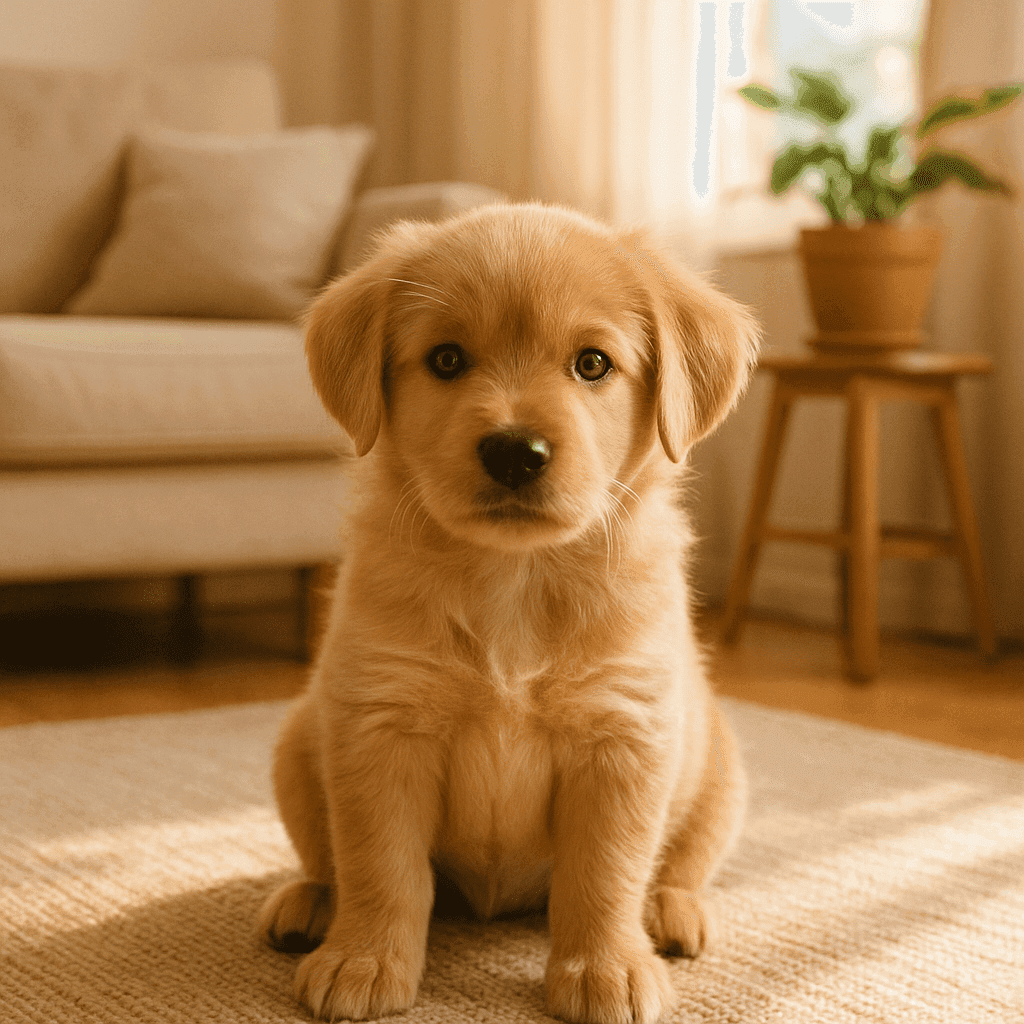
Stop Your Puppy From Peeing Inside Make It Easy: Causes, Timing Fixes, And When To Worry
Fast Answer: What To Do The Next Time Your Puppy Pees Inside
You just found a puddle. Here's what to do:
- If you catch them: Interrupt gently with a soft "oops," take them outside immediately to finish. Praise gently if they go outside.
- If you find a puddle: Clean up using an enzyme cleaner to remove scents and prevent remarking.
- Timing is key: Take your puppy out 10–15 minutes after eating/drinking and after any transition (waking, playing).
Bladder Capacity by Age
- 8 weeks: Max 1 hour during day, 3–4 hours overnight.
- 12 weeks: Max 2–3 hours during day, 4–5 hours overnight.
Avoid punishment. It creates anxiety, worsening accidents. If your puppy peed inside right after going out, try longer supervised outdoor time.
What To Do In The First 5 Minutes After An Accident (The Clean-Up Protocol)
Proper clean-up stops repeated accidents at the same spot:
- Blot the area: Use paper towels or cloth. Step on them to absorb. Avoid rubbing.
- Apply enzyme cleaner: Such as Nature’s Miracle. Let it dwell for 10–15 minutes.
- Block off the area while drying: This prevents remarking.
Use enzymatic cleaners, not steam or vinegar, to break down urine proteins. If accidents continue, re-evaluate cleaning and timing.
Why Your Puppy Pees Inside: The 5 Causes You Need To Know (Decision Chart)
Identifying the cause helps prevent future accidents:
- Excitement Urination: Greets by peeing when excited.
- Fix: Calm greetings. Ignore for a few minutes, then go outside. Avoid punishment.
- Incomplete Bladder Emptying: Pees a little outside, more inside.
- Fix: Wait for them to pee twice before bringing inside.
- Submissive Urination: Cowers or rolls when approached.
- Fix: Approach calmly and let them come to you.
- Schedule Slip: Accident after missed break.
- Fix: Increase supervision and stick to a strict schedule.
- Medical Issues: Frequent small puddles, straining, or blood.
- Fix: Visit vet with a log of symptoms.
The 72-Hour Plan To Stop Accidents: A Timed Schedule Based On Age
Create a structured routine over the next 72 hours:
| Time | Activity |
|---|---|
| 6:30 AM | Wake and carry outside. Wait calmly for a full pee. |
| 8:00 AM | Breakfast followed by potty break. |
| 10:00 AM | Short play, then potty. |
| 12:00 PM | Lunch and potty break. |
| 2:00 PM | Nap, then potty break upon waking. |
| 4:00 PM | Play/training, then potty. |
| 6:00 PM | Dinner and potty break. |
| 8:00 PM | Calm time followed by a final potty break. |
| Overnight | Potty breaks as needed. |
Day 1: No-Accident Foundation
- Continue with frequent breaks every 60-90 minutes based on puppy age.
Day 2: Pattern Recognition
- Log accidents with specific triggers. Adjust schedule by 15 minutes around these events.
Day 3: Gradual Freedom
- Slightly extend breaks if successful. Introduce a potty cue like "go potty."
Consistency is crucial for preventing regression.
Normal vs. Not Normal: When Accidents Are Expected And When To Call The Vet
Normal
- Daily accidents in early weeks, during play or naps.
Not Normal
- Frequent accidents, straining, or bloody urine.
If symptoms persist, consult a vet.
Vet disclaimer: Always contact a vet if signs of pain, blood in urine, or lethargy occur.
Potty Training Mistakes That Actually Make Accidents Worse
- Punishment: Drives accidents to hidden spots.
- Do Instead: Clean quietly, focus on training.
- Pee Pads Overuse: Causes surface preference.
- Do Instead: Gradually move pads outside.
- Ignoring After Drinks: Results in accidents.
- Do Instead: Plan mandatory potty trips.
Recognize signals like sniffing. Avoid giving freedom too soon.
Troubleshooting: Why Your Puppy Still Pees Inside After Going Outside
- Stop-Guard Routine: Restrict immediate access to soft flooring after returning inside.
- Distraction Audit: Choose boring potty spots. Stand still until they pee.
- Double-Void Protocol: Wait for a second pee before coming back inside.
Practical Checklist
- Puddle found? Stay calm. Scoop outside if possible.
- Clean: Apply enzyme cleaner. Use blot method.
- Log Accident: Include time and trigger.
- Decision Tree: Identify and address the cause.
Frequently Asked Questions
How often should I take my puppy outside?
Taking your puppy outside every 1-2 hours during the day is advisable, especially after eating, drinking, waking up, or playing. As they grow older and gain better control, the frequency can be reduced.
What if my puppy pees inside right after going out?
Consider extending the outdoor time to ensure they fully empty their bladder. Supervise closely to see if they need more time or a quieter space to relieve themselves.
Are frequent accidents normal?
Yes, they are common in the initial weeks. Focus on consistent routines and schedules. If accidents continue frequently, consult the section on possible causes or consider visiting a vet.
Can punishment help in potty training?
No, punishment can create fear and anxiety, causing more hidden accidents. Instead, focus on positive reinforcement when they go outside.
For a personalized schedule, Generate your puppy schedule. This ensures age-accurate potty break timing.