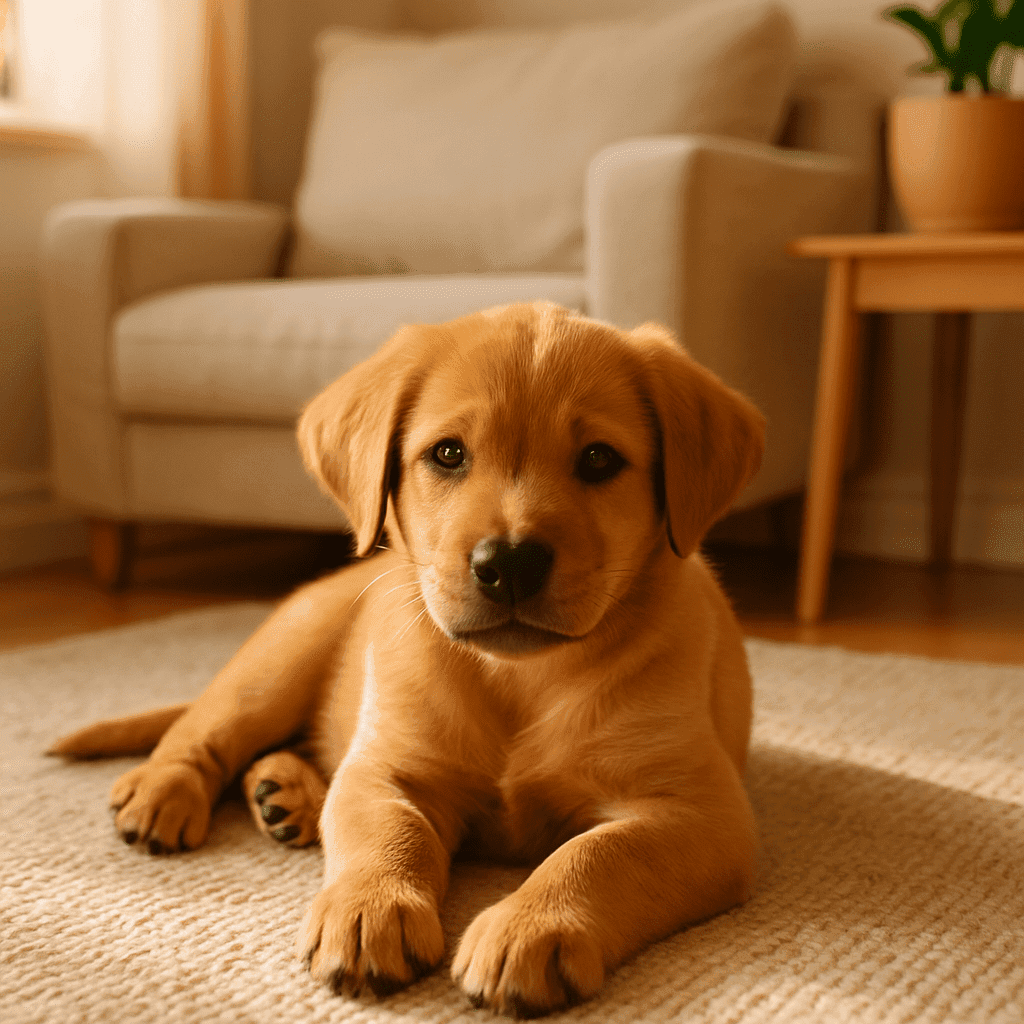
First Day Home Not Peeing: What To Do First, What To Avoid, And When To Worry
What To Do First (Before Anything Else)
Stop hovering. The more you follow, stare, or worry-talk, the more pressure your puppy picks up. That pressure makes them less likely to relax enough to go. Instead, take your puppy to their designated potty area—outdoors on a short leash or onto a pee pad laid in a quiet corner—and stand still. Don't play, don't make eye contact, don't repeat commands. Give them 5–10 minutes to sniff, circle, and settle. If nothing happens, calmly bring them inside, put them back in a confined safe area (a crate, playpen, or small puppy-proofed bathroom), and set a timer for 20–30 minutes before trying again. Offer a few sips of water to prevent dehydration, but don't force them to drink.
This quiet reset does two things: it tells the puppy that potty time is boring and safe, and it stops you from accidentally creating a standoff that makes both of you more frustrated.
Fast Answer
If your puppy hasn't peed since coming home, take them to their designated potty area and stand still without interacting. Give them 5–10 minutes; if nothing happens, try again in 20–30 minutes. Offer small sips of water and keep their environment calm.
Why a New Puppy Might Not Pee (What's Really Going On)
A puppy who refuses to pee on their first day isn't being stubborn. Here are some common reasons:
Stress and Nervousness
The most common reason is simple: the puppy is overwhelmed. New smells, new people, the car ride, the absence of littermates—all of that dumps cortisol into their system. A stressed puppy often "holds everything" because they don't yet feel safe enough to be vulnerable. First action: Reduce stimulation. Dim lights, keep voices low, and let them stay in one small familiar area with a soft blanket for a couple of hours without forcing potty attempts every ten minutes.
Unfamiliar Texture or Surface
If a puppy was raised on grass but your potty spot is concrete, or if they've never seen a pee pad, they may physically not understand where to go. First action: Try to match the surface they're used to, even temporarily. A small piece of sod in a litter box or a pee pad with a bit of grass scent can bridge the gap.
Schedule Disruption and Overstimulation
The drive home, meeting new people, exploring the house—all of this delays the need to go. A puppy who was crated for a few hours before pickup may have already emptied their bladder. First action: Track water intake and wait. If the puppy is drinking normally, let the natural cycle catch up.
Dehydration or Reduced Water Intake
Some puppies won't drink in a new environment. No water in means no output. First action: Offer room-temperature water from a shallow dish every 30–45 minutes. If lethargic and not drinking, contact a vet.
Too Young to Understand Where to Go
At 8 weeks old, a puppy doesn't yet have full bladder control and doesn't naturally know outdoors is for peeing. First action: Use confinement and frequent trips to prevent accidents, not to fix a bladder problem.
| Possible Reason | Common Signs | What To Try First |
|---|---|---|
| Stress/nerves | Quiet, slightly withdrawn, tail down but responsive | Reduce noise, let them rest in one safe spot, try calm potty attempts |
| Unfamiliar texture | Sniffing but refusing to squat on pad or ground | Introduce a similar surface; give non-potty exploration time |
| Schedule disruption | Active and playful but no interest in peeing | Wait it out; offer water, try again after naps |
| Dehydration | Dry gums, not interested in water, moves slowly | Encourage tiny sips, add broth to water; call vet if no improvement in an hour |
| Too young/confused | Normal energy but accidents appear in hidden corners | Frequent confinement, don't punish, reward any outdoor success heavily |
A Step-by-Step Plan to Encourage Peeing—Without Forcing It
This plan works for a puppy who is alert, drinking, and otherwise seems OK but just hasn't gone yet.
1. Limit the Puppy's World for the First 3–4 Hours
Set up a cozy, small area with a crate, a water bowl, and a spot for a pee pad if you're using one. Too much space can make a puppy hold it. A confined area also makes it easier for you to spot signs they need to go.
2. Time Potty Attempts Around Drinking and Waking
A puppy's urge to pee usually kicks in 10–30 minutes after drinking, 5–15 minutes after waking from a nap. Use the table below as a rough guide for your first day.
| Time of Day | Activity | What to Do |
|---|---|---|
| Morning | First wake-up | Offer water, then take to potty spot after 10 min |
| Late Morning | After play | Go to potty spot |
| Lunch/Noon | After eating | Wait 15 min, take to potty spot |
| Afternoon | After napping | Immediate potty spot visit |
| Evening | After dinner | Wait 15–30 min, potty spot |
| Bedtime | Last activity | Final trip to potty spot |
| Overnight | If awake | Quiet potty break, then back to bed |
3. Create a Boring, Consistent Potty Routine
Each trip should look the same: same door, same short potty command, same location. Familiarity builds safety.
4. If They Pee a Tiny Amount, Celebrate Quietly
Don't throw a party that frightens them. A soft "good puppy" and a gentle treat while they're still in the potty area is enough.
5. If Nothing Happens After 10 Minutes, Go Back Inside
Don't wait longer hoping they'll go. Return to the confined area, limit movement, and try again in 20–30 minutes.
Normal vs. Not Normal: When to Stop Waiting and Get Help
Most first-day holding is harmless, but there's a line where patience becomes dangerous.
| Normal (Keep Calm, Follow the Plan) | Not Normal (Call Your Vet) |
|---|---|
| Puppy hasn't peed in 6–8 hours but is drinking, playing, and alert | Puppy hasn't peed in 12+ awake hours, even after water and attempts |
| Puppy sniffs, circles, then gives up without distress | Puppy squats and strains repeatedly with no urine, or cries while attempting |
| Puppy is quiet and slightly reserved but eats and drinks small amounts | Puppy is vomiting, shaking, drooling excessively, or too weak to stand |
| First urine is slightly darker due to mild dehydration (resolves with water) | Urine is bloody, or the puppy yelps when you touch their belly |
| Puppy eventually pees a small amount in a hidden spot, then acts normal | Puppy has not urinated at all in 24 hours since last known pee time |
Important safety note: If your puppy seems painful in the abdomen, keeps trying to pee with no result, or is a male dog that seems blocked, this is an emergency. Contact your vet or an emergency clinic immediately.
Common Mistakes That Make a Puppy Hold It Longer
Even well-meaning owners accidentally make the problem worse.
Hovering and Staring
Leaning over the puppy feels predatory. They'll freeze rather than squat. Stand sideways, look at the ground or your phone, and breathe normally.
Scolding or Sighing When They Don't Go
A frustrated sigh tells the puppy they did something wrong. Keep your voice neutral.
Repeatedly Changing the Potty Spot
Pick one spot and commit to it for at least the first two days.
Skipping Water for Fear of Accidents
Always have fresh water available, and offer small servings frequently.
Giving Too Much Unsupervised Freedom
Use a leash, playpen, or crate to make sure every potty event happens where you can observe and reward.
Assuming the Puppy "Knows Better"
Expecting them to signal or hold it on day one sets everyone up for failure.
Troubleshooting: What If the Plans Aren't Working?
Sometimes the gentle approach hits a wall. Here's how to handle common stuck points.
My Puppy Still Hasn't Peed After 10 Hours
If they're awake and drinking, you can extend the last attempt before bedtime. If approaching the 12-hour awake mark, call your vet.
They Only Pee When They Can't See Me
Some puppies are shy eliminators. After the quiet potty attempt, give them a long leash and turn your back completely.
They Pee in the Crate Right After You Close the Door
Clean with an enzymatic cleaner, size the crate with a divider, and maintain frequent, calm potty breaks.
My Puppy Is Drinking but Not Peeing
If a puppy is drinking but not producing urine after 6–8 hours, consult a vet.
First Day Pee Observation Checklist
- Water offered every 30–45 minutes; puppy takes at least a few small sips.
- Potty trip 1: within 30 minutes of arriving home; wait 5–10 min, no hovering.
- Potty trip 2: after puppy wakes from first nap (even a short one).
- Potty trip 3: 15–20 minutes after drinking a noticeable amount of water.
- Potty trip 4: after any burst of play or excitement.
- All trips use the same potty spot; no changing surfaces.
- If no urine yet: called vet by the 10-hour awake mark.
Frequently Asked Questions
How long is it normal for a puppy to go without peeing on the first day?
A healthy puppy often goes 6–10 hours without urinating due to stress and overstimulation. If the puppy has been awake and drinking for more than 12 hours without producing urine, contact your vet.
My puppy drank a lot of water and still hasn't peed. Should I be worried?
If they drank significantly and then went 4–5 hours without any urine, it's worth a vet call. A congenital defect or blockage can prevent urination despite drinking.
Can I use a pee pad if my puppy refuses to go outside?
Yes, this can ease the transition. Place the pad near the door you eventually want them to use.
What if my puppy pees only a few drops and then stops?
Small drops can indicate a UTI or that the puppy was tense. If it happens repeatedly or you see blood, call the vet.
Is it okay to carry my puppy to the potty spot?
Absolutely, and it can prevent accidents on the way. Use a calm hold and set them down gently.
How can I tell if they're about to pee?
Signals include intense sniffing, circling, or whining softly. Gently guide them to the potty area.
My puppy peed after I stopped watching, but I missed it. What now?
Clean with an enzymatic cleaner, recognize they prefer privacy, and give them more space during attempts next time.